


Related products for white manju
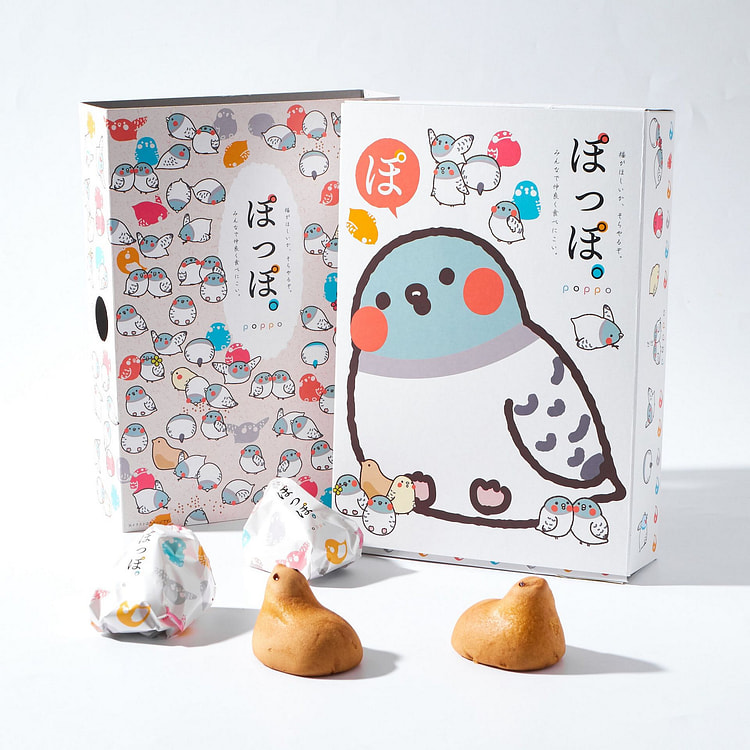 $9.58Poppo White Bean Manju Cake (9 pieces)Ships from Ichigo
 $21.10Knotted - Smile Cream Bread - 1 Bag White Bean ManjuShips from Harumio Korea
 $15.99 - $17.99YOSHINODOU Hiyoko White Bean Paste Manju10 pcsShips from WOO JAPAN
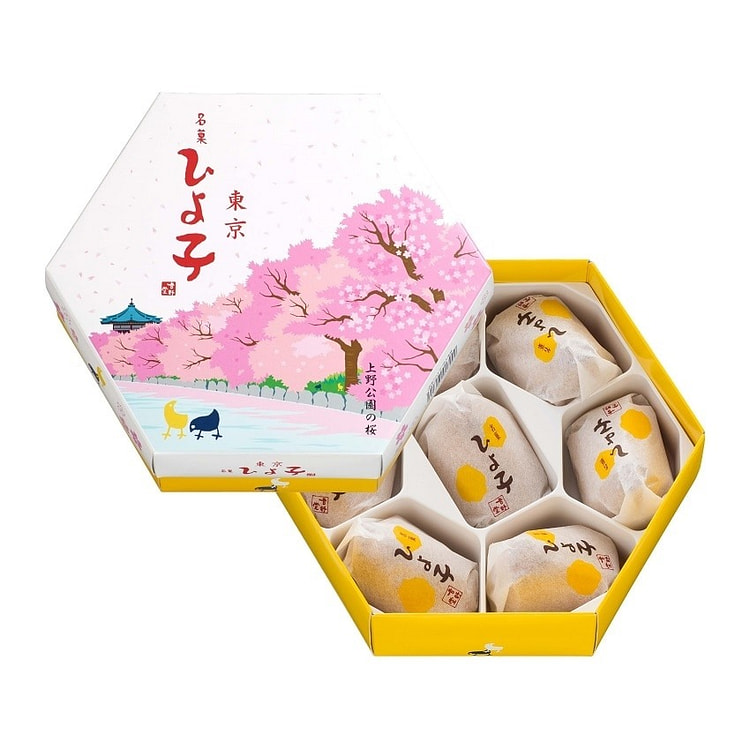 $25.99Hiyoko White Bean Cake Sakura Package 7 pcsShips from WOO JAPAN
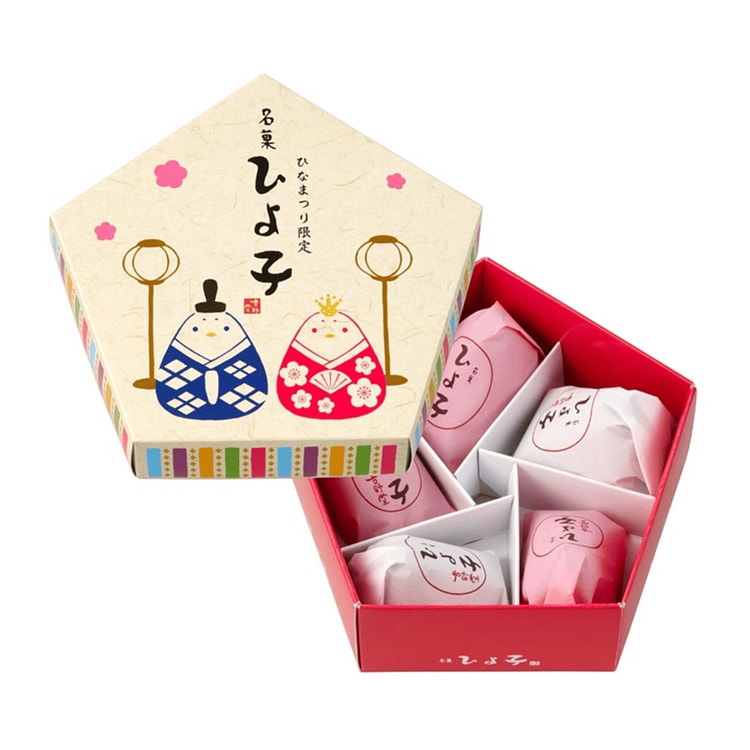 $12.99Hiyoko White Bean Cake Limited Package 5pcs 1 boxShips from WOO JAPAN
Looking for an Asian online supermarket?
Shop products from Chinese, Japanese, Korean, Vietnamese, Thai, Filipino and Indian grocery stores with delivery across major U.S. cities, including fresh produce, frozen meats and seafood, no extra fees, and EBT/SNAP accepted in most cities for eligible products.















 Customer since 2018
 Phoenix, AZCustomer since 2020Connecticut, CTCustomer since 2023Washington DCCustomer since 2020Los Angeles, CA
Frequently asked questions
What is white manju?
White manju is a traditional Japanese confectionery or sweet, often consumed with tea. It's made from flour, rice powder, and buckwheat, then filled with a sweet filling, most commonly anko, a red bean paste.
Is white manju vegan?
White manju is often vegan, but it can depend on the specific recipe. It's mainly made from plant-derived ingredients, but some recipes may include dairy or egg products.
What does white manju taste like?
White manju has a subtle sweetness with the unique flavor of the anko filling dominating. The dough is somewhat chewy but soft. It pairs well with bitter green tea.
What is the nutritional value of white manju?
White manju is relatively low in fat and high in carbohydrates due to the flour and sweet bean paste. However, it's not a significant source of protein or fiber.
How long does white manju last?
White manju can remain fresh for about 2-3 days at room temperature. If refrigerated, it can last a week. Freeze it if you wish to store it for longer.
Can white manju be eaten cold?
While white manju is typically eaten warm or at room temperature, there's no rule against eating it cold if you prefer it that way.
What other fillings can be used in white manju?
Other than anko, white manju can be filled with other sweet pastes like white bean paste or sesame paste. Some versions also contain pieces of fruit.
Is white manju served during special occasions?
White manju, like other types of manju, are traditional sweets and are often served during tea ceremonies, festivals, and other special occasions.
Where can I buy white manju?
You can buy it at Weee! Asian Market, www.sayweee.com.
How is white manju prepared?
Preparation involves making a dough using flour and rice powder, filling it with anko or another sweet filling, wrapping it, and steaming it until cooked.
Can I make white manju at home?
Absolutely! With the right ingredients and a bit of patience, you can make white manju at home.
Is white manju gluten free?
Traditional white manju uses wheat flour in the dough, so it's not gluten free. However, gluten-free variations can be made using rice flour or other gluten-free flour alternatives.
Can I freeze white manju?
Yes, you can freeze white manju. When you're ready to consume it, thaw it at room temperature or steam it again if you prefer it warm.
Does white manju contain sugar?
Yes, white manju does contain sugar. The anko filling is made from sweetened red beans, and sugar is also used in the dough.
What's the difference between white manju and other types of manju?
The primary difference is the color of the dough. White manju uses a white dough, while other manju might use a naturally colored or flavored dough.
Can I find white manju at a standard grocery store?
White manju is a specialty item, so it may not be available at a standard grocery store. You'll have a better chance of finding it at an Asian market or online.

Asian Groceries
Get the App


Trending Topics
- Green curry paste
- Massaman curry paste
- Basmati rice
- Ghee
- Rice vinegar
- Miso paste
- Paneer
- Jackfruit
- Sesame oil
- Kimchi
- Bok choy
- Propitious Mango Ice Cream Viral Tiktok
- KEWPIE Japanese Egg Yolks Mayonnaise
- Fish sauce
- Garam masala
- Soy sauce
- Baby bok choy
- Shaoxing wine
- Nori seaweed
- Oyster sauce
- Gochujang
- Mirin
- Yellow curry paste
- Curry leaves
- Matcha powder
- Red curry paste
- Jasmine rice
- Dark soy sauce
- Tamarind paste
- Hoisin sauce


© 2015 - 2026 Weee!, Inc.