


Top 1 products for Sampaloc Leaves

Latest reviews
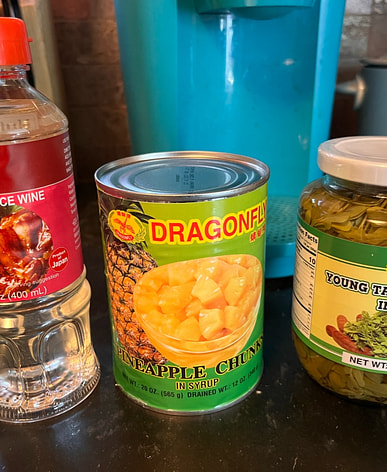 Used this tamarind leaves for my “tinumis”.
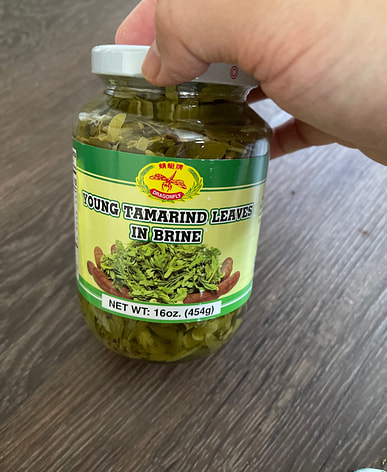 Very delicious in soups and stews
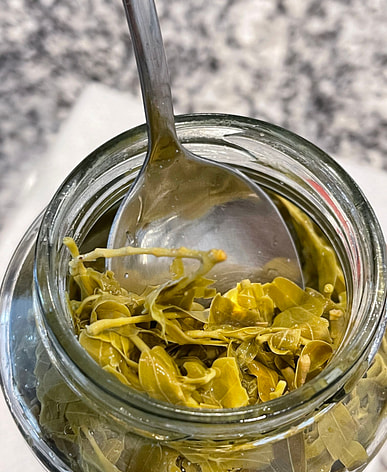 This type is quite delicious, I use it to cook sour fish soup, when cooking remove the stems it will taste better
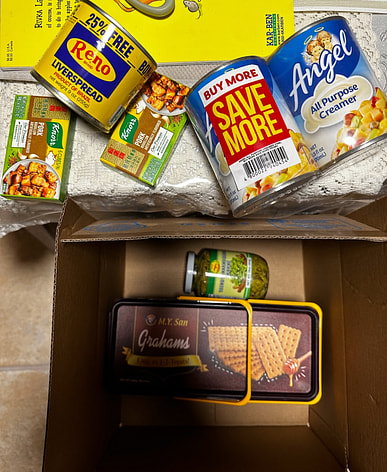 Im happy Weee! Have this! I put it on my fried chicken and sweetened it!
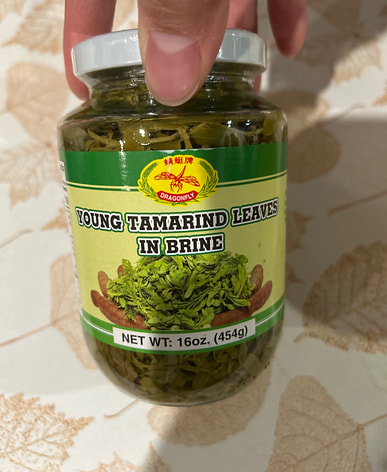 Nice finally i got this for my sinampalukan recipe thank u so much seller will order it again
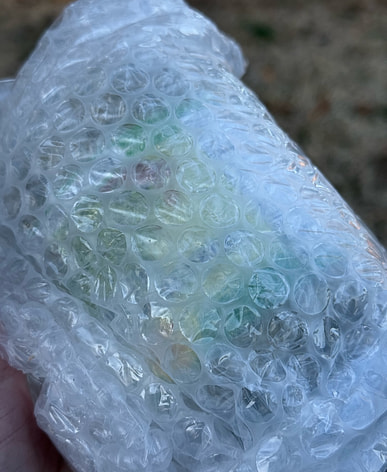 Well-packaged. It will be used to cook sour soup with fish.
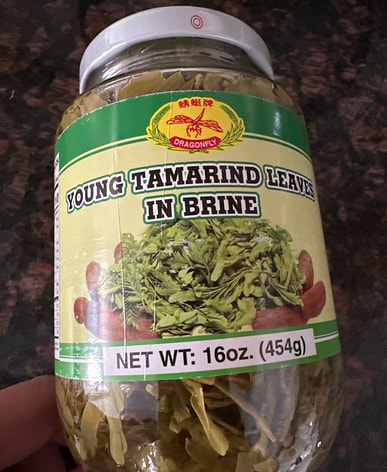 I gotta try this, soon will post the result.
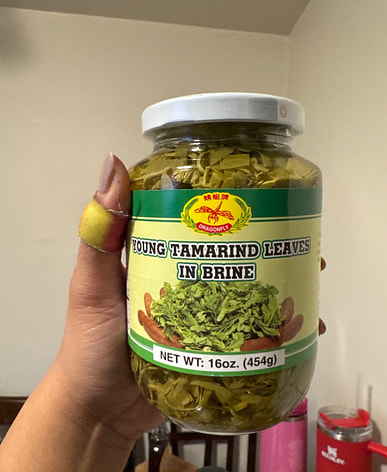 This is really good on using Sinigang, Sinampalukan manok even in Dinuguan I used this ingredients!!! Must tryyy
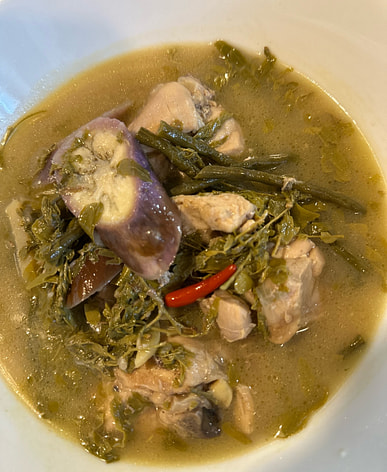 The best brand I use when craving for sinampalukang manok and Weee delivers!
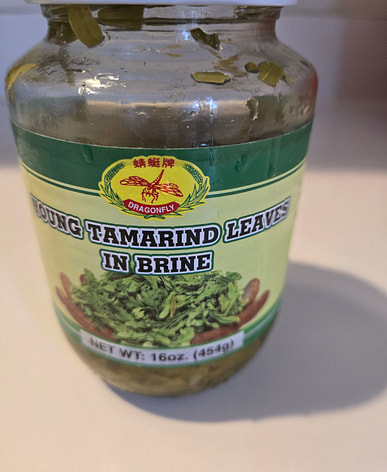 used for cooking Sinampalukang Native na Manok". The quality of the fresh tamarind leaves are preserved on good condition. Packaging is good. also bought the Native Chickem from Wee.
Asian groceries delivered to your door
Weee! serves the major metropolitan areas across the United States as a trusted Asian online grocery store, bringing together products and ingredients from Chinese, Japanese, Korean, Vietnamese, Thai, Filipino, and Indian supermarkets. Shop everyday essentials including dairy, vegetables, fruits, and fresh produce, along with frozen meats and seafood, carefully packed with dry ice and offered in traditional cuts and formats familiar to Asian households. Now accepting EBT/SNAP at checkout in the largest U.S. cities. Buying Asian groceries online has never been easier or more reliable.

20 suggestions for sampaloc leaves
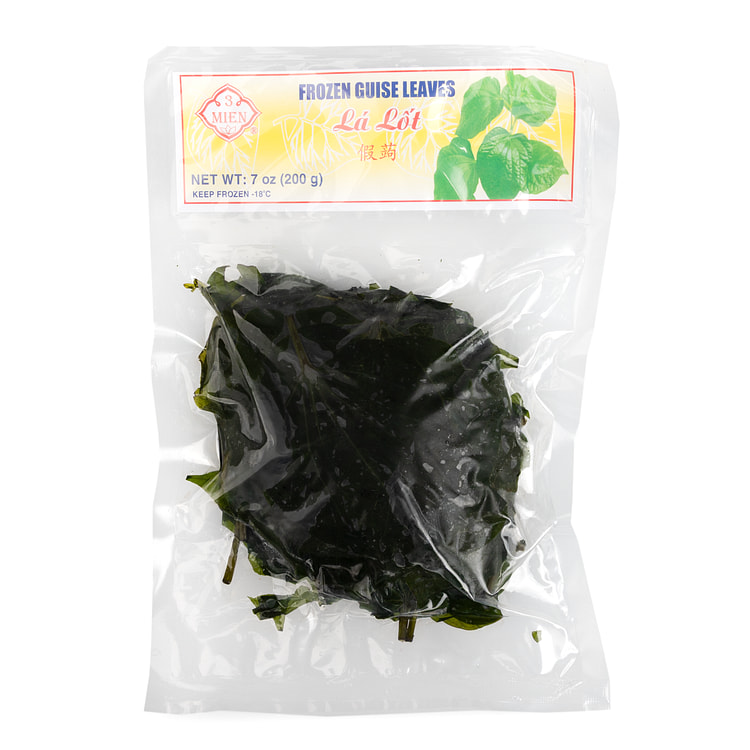 $2.96 - $3.49Piper Lolot Leaves, Frozen 8 oz
 SNAP
SNAP $0.69/ea for 3+$1.19 for 1 qtyDragonfly Sinigang Sampalok Tamarind Soup MixSNAP
 $2.24 - $4.29Bay LeavesSNAP
 $0.79/ea for 2+$1.29 for 1 qtyCurry LeavesSNAP
 $1.49/ea for 2+$1.99 for 1 qtyCZW Bay LeavesSNAP
 $1.79 - $2.99Deep Bay Leaves 1 ozSNAP
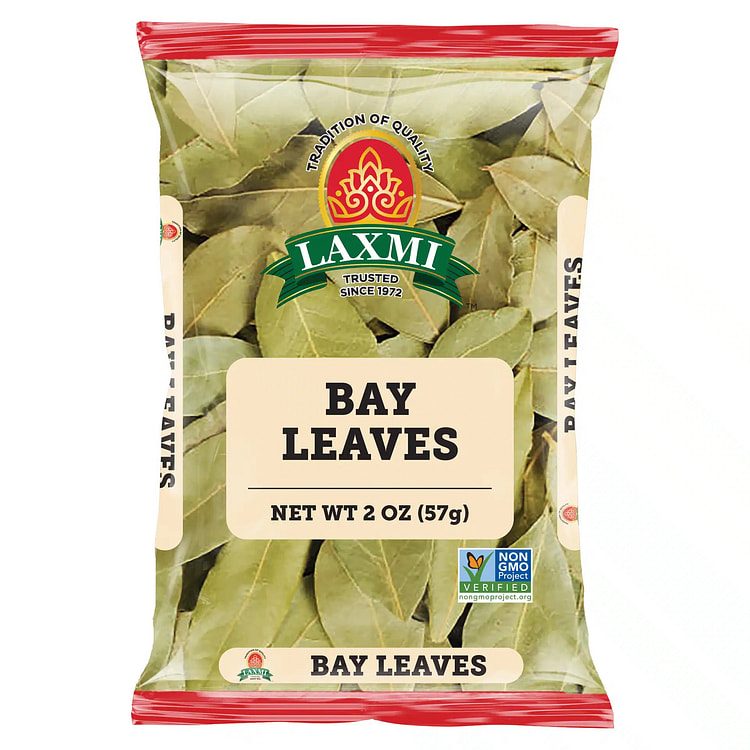 $1.79 - $2.79Laxmi Bay Leaves 2 oz (min 2)SNAP
 $2.24 - $3.29Isla Dried Taro LeavesSNAP
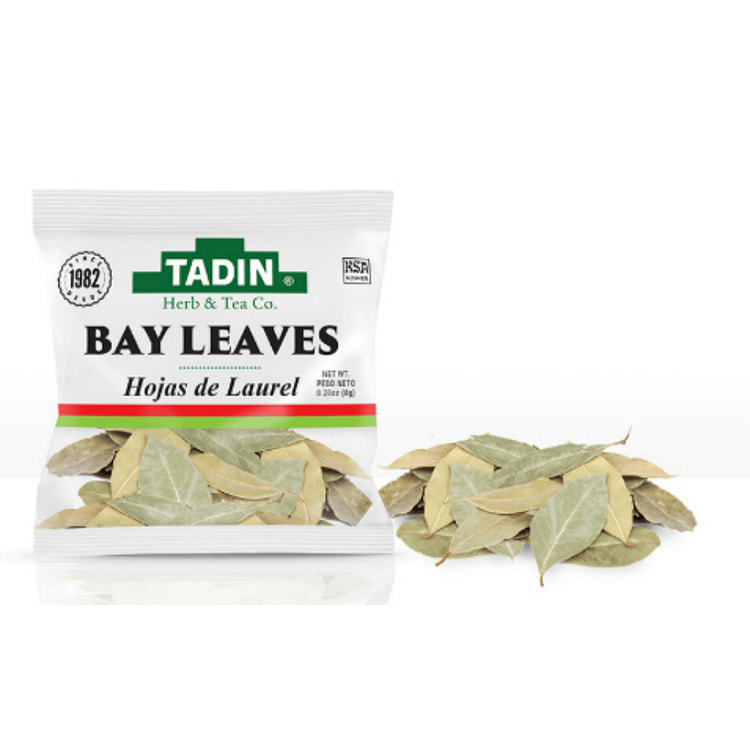 $1.19 - $1.79Tadin Bay Leaves 0.28 oz (min 2)SNAP
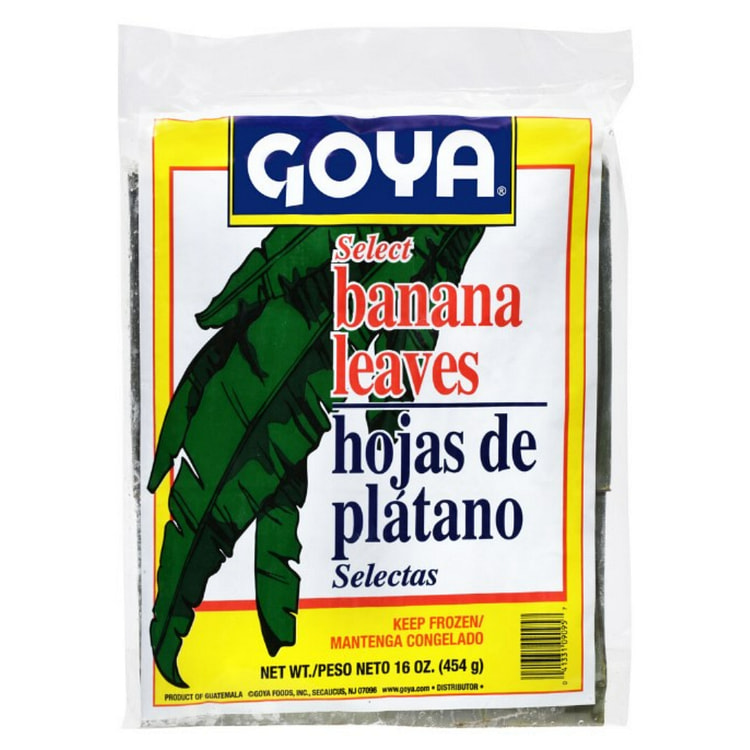 $2.96 - $3.29Goya Banana Leaves 16 ozSNAP
 $1.79/ea for 2+$2.29 for 1 qtyPremium Dried Bay Leaves BagSNAP
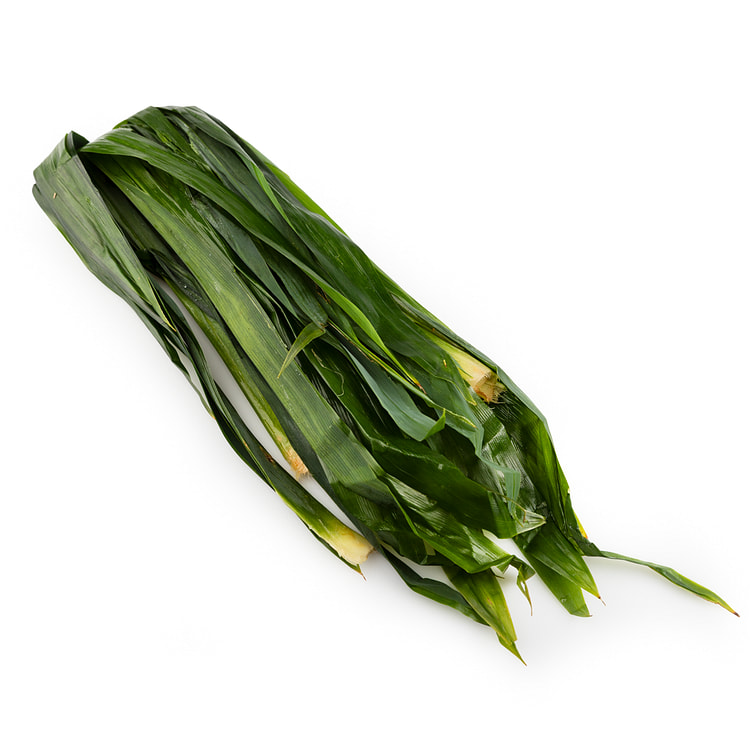 $2.79/ea for 2+$3.29 for 1 qtyPandan Leaves, Frozen 7-8 ozSNAP
 $1.61 - $2.79Methi Leaves (Fenugreek) 0.75 ozSNAP
 $4.49 - $5.29Makrut Herb (Kaffir Lime Leaves)SNAP
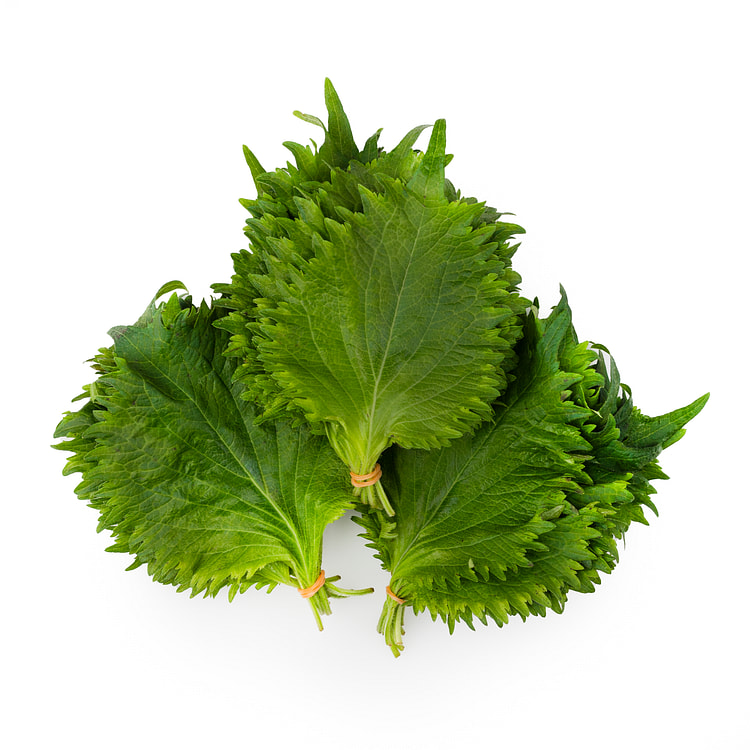 $10.79 - $14.99Green Shiso (Ohba) Leaves 10 bunchSNAP
 $2.24 - $2.99Tropics Chili Pepper Leaves, FrozenSNAP
 $1.99/ea for 2+$2.49 for 1 qtyTropics Saluyot Jute Leaves, FrozenSNAP
 $2.24 - $2.99Tropics Ampalaya Bittermelon LeavesSNAP
 $1.61 - $5.29National Kasuri Methi Leaves 1.76 oz (min 2)SNAP
 $8.99 - $10.99Jongga Seasoned Perilla Leaves 200 gSNAP














 Customer since 2018
 Phoenix, AZCustomer since 2020Connecticut, CTCustomer since 2023Washington DCCustomer since 2020Los Angeles, CA
Frequently asked questions
What are Sampaloc leaves?
Sampaloc leaves, also known as Tamarind leaves, are leaves from the tamarind tree, native to Africa but spread across tropical regions. They are used predominantly in Southeast Asian cooking.
Is Sampaloc leaf edible?
Yes, Sampaloc leaves are edible. In fact, they are used frequently in cooking for their unique sour flavor.
Are Sampaloc leaves healthy?
Yes, Sampaloc leaves are high in Vitamin C and also have a good amount of B Vitamins. They have antioxidative properties and can aid in digestion.
Can I freeze Sampaloc leaves?
Yes, freezing Sampaloc leaves can help preserve their flavor and freshness for later use.
Can I substitute Sampaloc leaves with something else?
Yes, in case you can't find Sampaloc leaves, you can substitute them with tamarind paste or lemon juice to provide similar sour flavor.
How do I store Sampaloc leaves?
Fresh Sampaloc leaves can be stored in a refrigerator for a few days. For longer storage, you can freeze or dry them.
Where does the Sampaloc tree grow?
The Sampaloc tree is native to Africa and now spread across tropical regions worldwide including Southeast Asia and some parts of America.
Where can I buy Sampaloc leaves?
You can buy it at Weee! Asian Market, www.sayweee.com.
In what dishes can I use Sampaloc leaves?
Sampaloc leaves can be used in various dishes such as Sinigang (Filipino stew), soups, curries, and teas. They are also used in making Sampaloc candy.
What is the flavor of Sampaloc leaves?
Sampaloc leaves have a tangy, slightly sour flavor, which is why they are often used in dishes that need a bit of acidity.
Can I eat Sampaloc leaves raw?
It's not commonly eaten raw due to its sour taste, but it's safe to eat. Sampaloc leaves are usually cooked in dishes.
How do I prepare Sampaloc leaves for cooking?
Simply rinse the leaves thoroughly under cool water to clean them. If you have dried Sampaloc leaves, you might need to soak them in water before use.
Can I dry Sampaloc leaves for future use?
Yes, Sampaloc leaves can be dried for later use but make sure to store them in an airtight container to retain their flavor.
What are the main components of Sampaloc leaves?
Vitamins like Vitamin C and some B vitamins, antioxidants, flavonoids, and fiber are main components of Sampaloc leaves.
Are there any side effects of eating Sampaloc leaves?
Generally, Sampaloc leaves are safe to eat but excessive consumption can lead to acidity due to its naturally sour flavor.
Are Sampaloc leaves used in medicine?
Yes, in traditional medicine, Sampaloc leaves are used for treating numerous ailments including digestive issues, inflammation and fever.
Popular reviews
- Used this tamarind leaves for my “tinumis”.
- Very delicious in soups and stews
- This type is quite delicious, I use it to cook sour fish soup, when cooking remove the stems it will taste better
- Im happy Weee! Have this! I put it on my fried chicken and sweetened it!
- Nice finally i got this for my sinampalukan recipe thank u so much seller will order it again
- Well-packaged. It will be used to cook sour soup with fish.
- I gotta try this, soon will post the result.
- This is really good on using Sinigang, Sinampalukan manok even in Dinuguan I used this ingredients!!! Must tryyy
- The best brand I use when craving for sinampalukang manok and Weee delivers!
- used for cooking Sinampalukang Native na Manok". The quality of the fresh tamarind leaves are preserved on good condition. Packaging is good. also bought the Native Chickem from Wee.

Asian Groceries
Get the App


Trending Topics
- Green curry paste
- Massaman curry paste
- Basmati rice
- Ghee
- Rice vinegar
- Miso paste
- Paneer
- Jackfruit
- Sesame oil
- Kimchi
- Bok choy
- Propitious Mango Ice Cream Viral Tiktok
- KEWPIE Japanese Egg Yolks Mayonnaise
- Fish sauce
- Garam masala
- Soy sauce
- Baby bok choy
- Shaoxing wine
- Nori seaweed
- Oyster sauce
- Gochujang
- Mirin
- Yellow curry paste
- Curry leaves
- Matcha powder
- Red curry paste
- Jasmine rice
- Dark soy sauce
- Tamarind paste
- Hoisin sauce


© 2015 - 2026 Weee!, Inc.