


Related products for konjac fruit
 $2.29ORIHIRO Konjac Jelly Green Grape Flavor 130gShips from EITO JAPAN
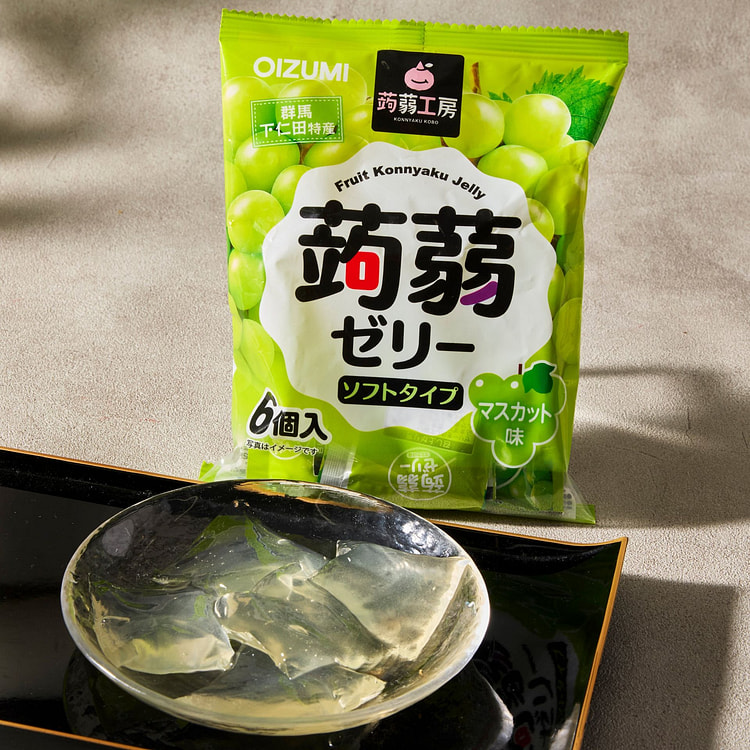 $6.38Muscat Konjac JellyShips from Ichigo
 $10.62 - $11.80Konjac Jelly Red Grape FlavorShips from GrocerFun
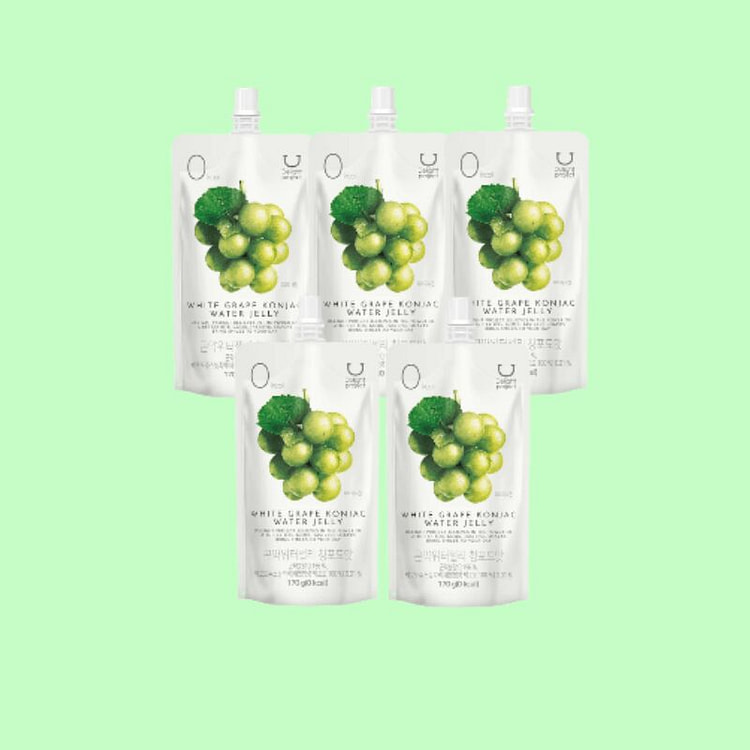 $24.00Oliveyoung 0kcal Green Grape Flavor Konjac JellyShips from Only Joeun
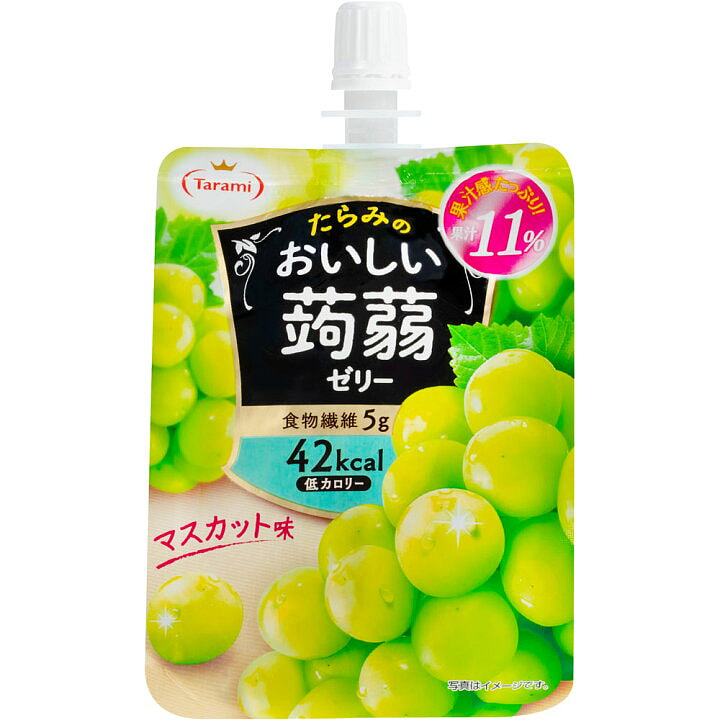 $3.67Tarami Konjac Jelly Green Grape Flavor 150g 1 eachShips from Shinsaibashi Japan
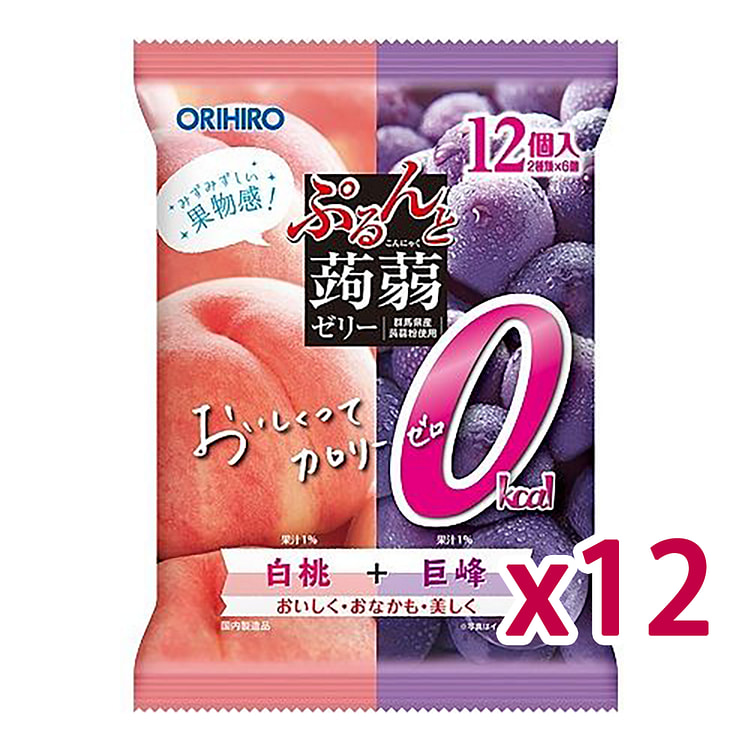 $31.59ORIHIRO Konjac Jelly (Peach & Kyoho Grape) CASEShips from Peach Convenience Store
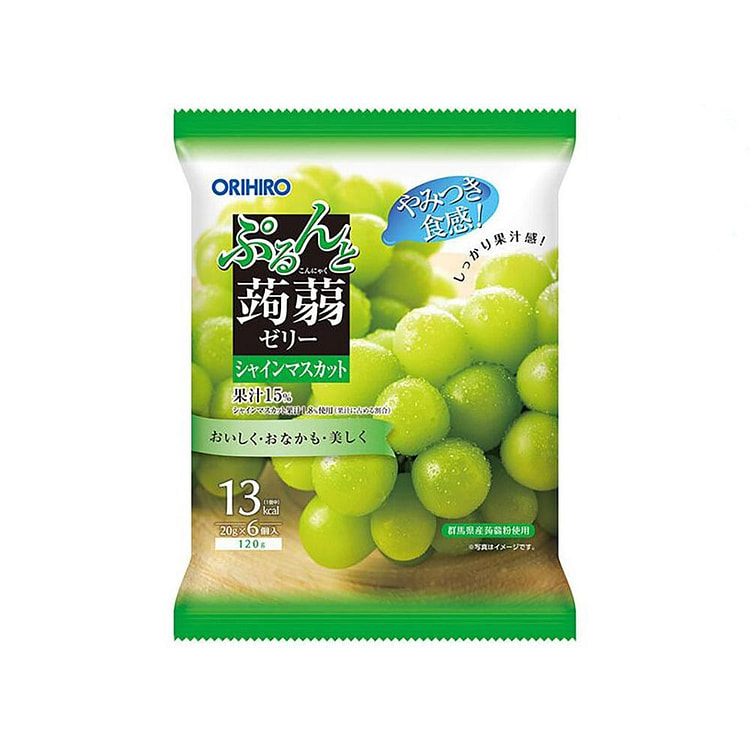 $5.25 - $5.53Orihiro Konjac Jelly Muscat Flavor 6Pcs 1 packShips from Peach Convenience Store
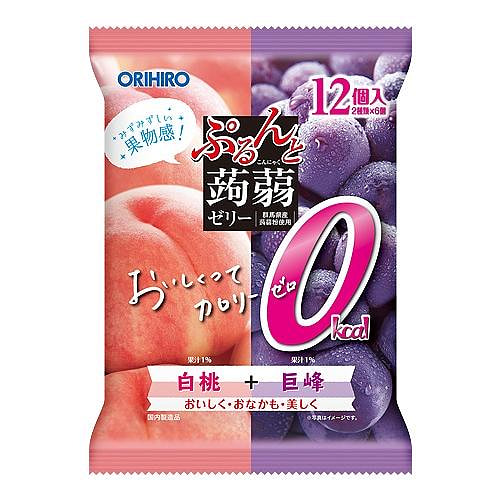 $3.79 - $3.99ORIHIRO Konjac Jelly (Peach & Kyoho Grape) 12pcsShips from Peach Convenience Store
 $2.99Everydaze, Essential C's Konjac Jelly, Green GrapeShips from Accuscript Pharmacy
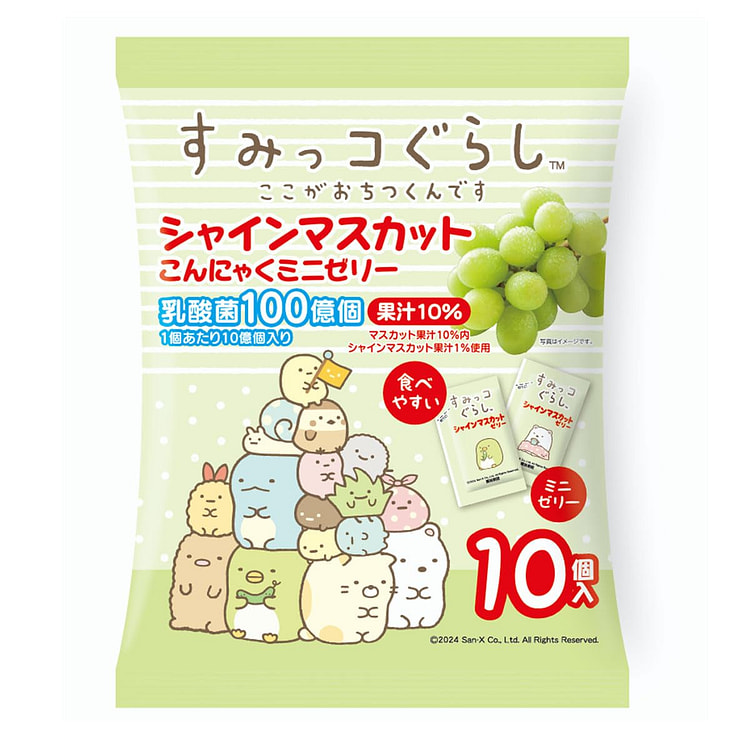 $4.88Yokoo Sumikko Gurashi Konjac Jelly (Muscat) 10pcs 1 packShips from Peach Convenience Store
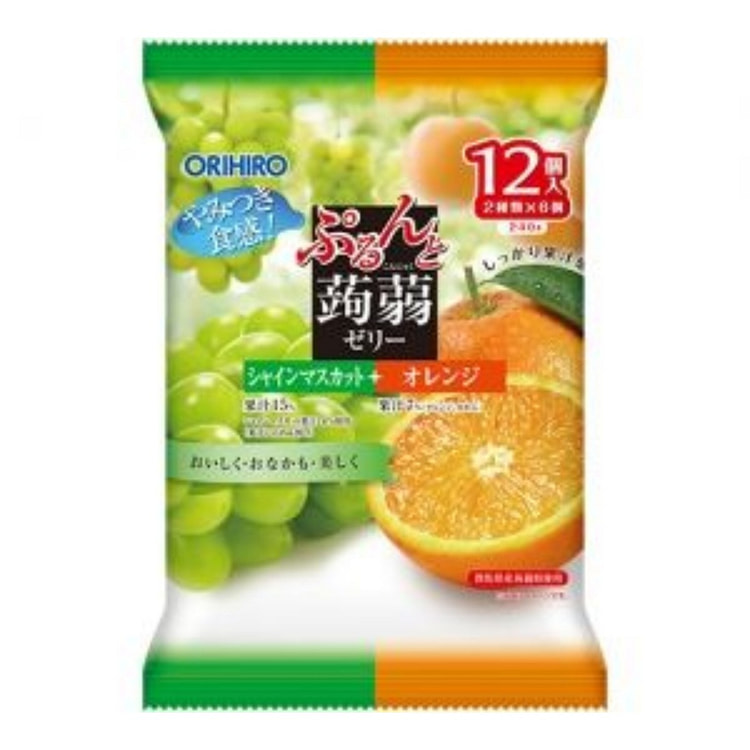 $3.69 - $3.89ORIHIRO Konjac Jelly Shine Muscat + Orange 12pcs 1 packShips from Peach Convenience Store
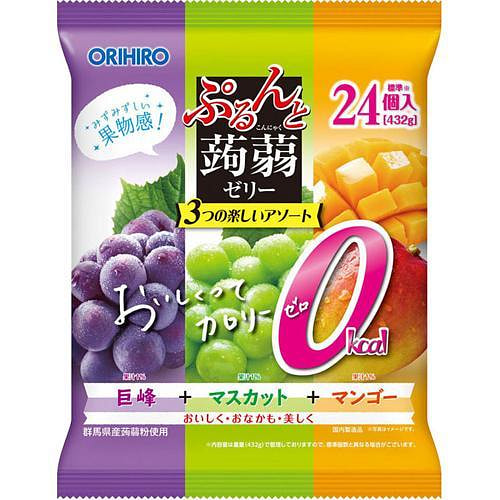 $8.23 - $10.29ORIHIRO Konjac Jelly Kyoho Green Grape Mango 24pcs 1 eachShips from Shinsaibashi Japan
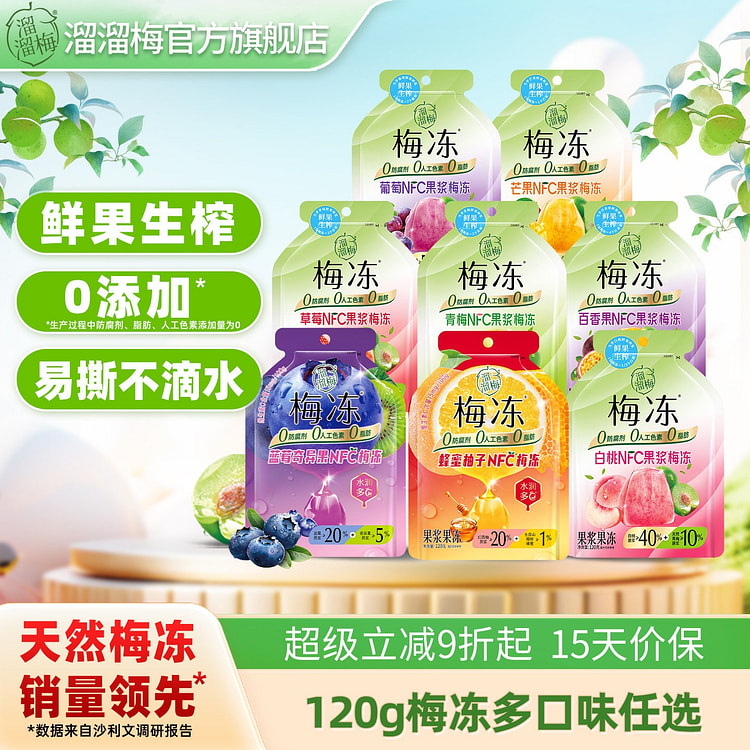 $12.87 - $14.31Liuliumei Plum Flavored Konjac Jelly 120 gShips from Jiaheng yanxuan
- $12.87 - $14.31Liuliumei Grape Flavored Konjac Jelly 120 gShips from Jiaheng yanxuan
- $12.87 - $14.31Liuliumei Mango Flavored Konjac Jelly 120 gShips from Jiaheng yanxuan
- $12.87 - $14.31Liuliumei White Peach Flavor Konjac Jelly 120 gShips from Jiaheng yanxuan
- $12.87 - $14.31Liuliumei Strawberry Flavored Konjac Jelly 120 gShips from Jiaheng yanxuan
- $12.87 - $14.31Liuliumei Passion Fruit Flavored Konjac Jelly 120 gShips from Jiaheng yanxuan
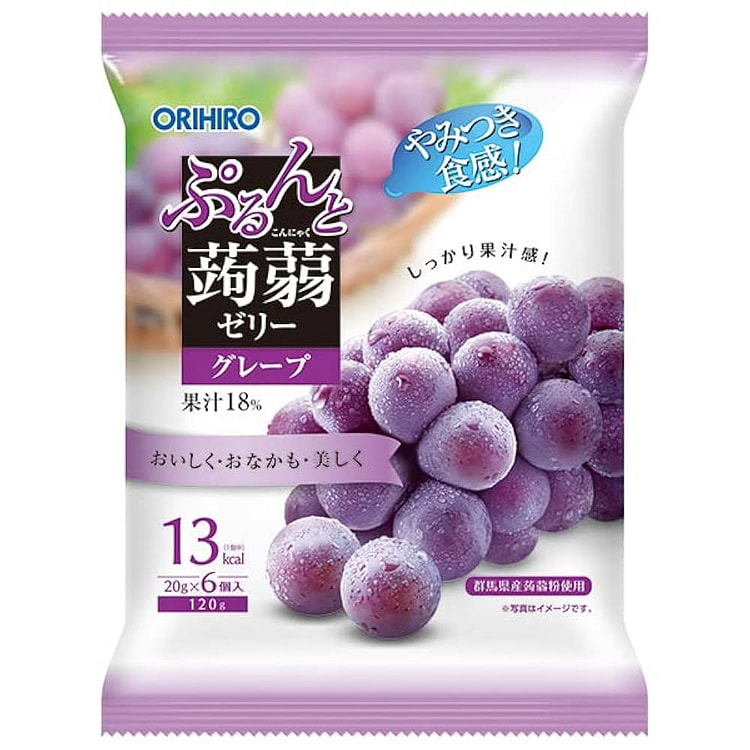 $6.99Orihiro Grape Konjac JellyShips from Peach Convenience Store
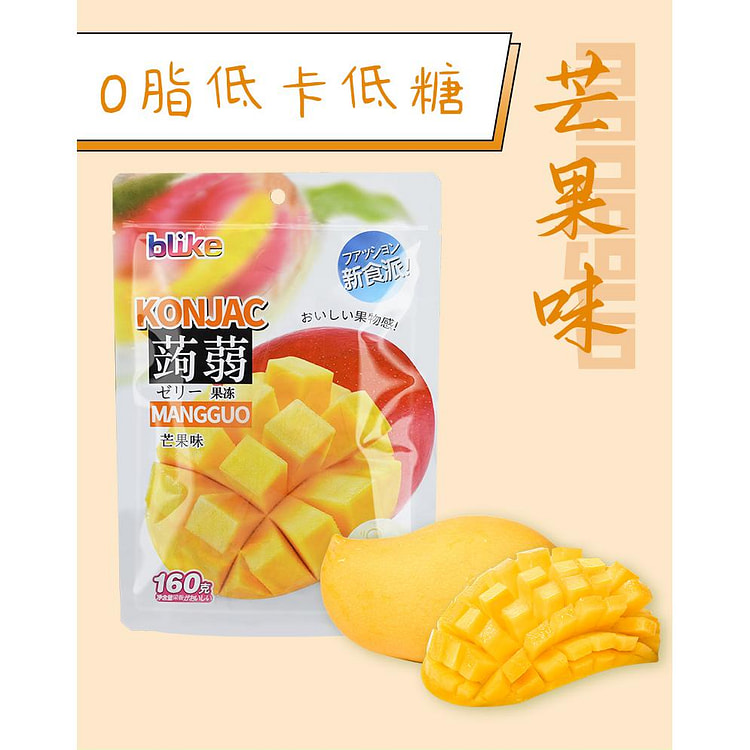 $6.99Blike Konjac Jelly Mango FlavorShips from Kohort Store
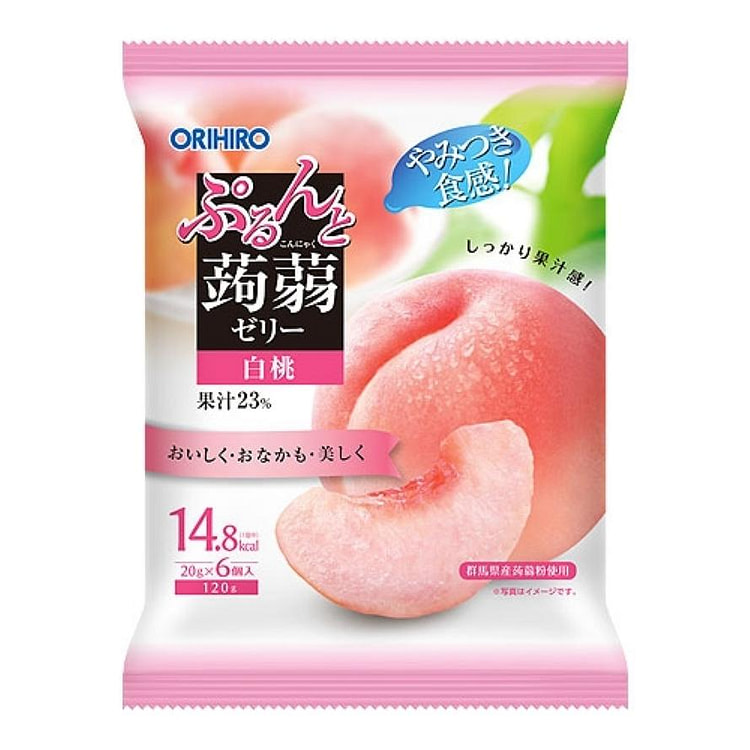 $5.59 - $5.94Orihiro Konjac Jelly White PeachShips from Peach Convenience Store
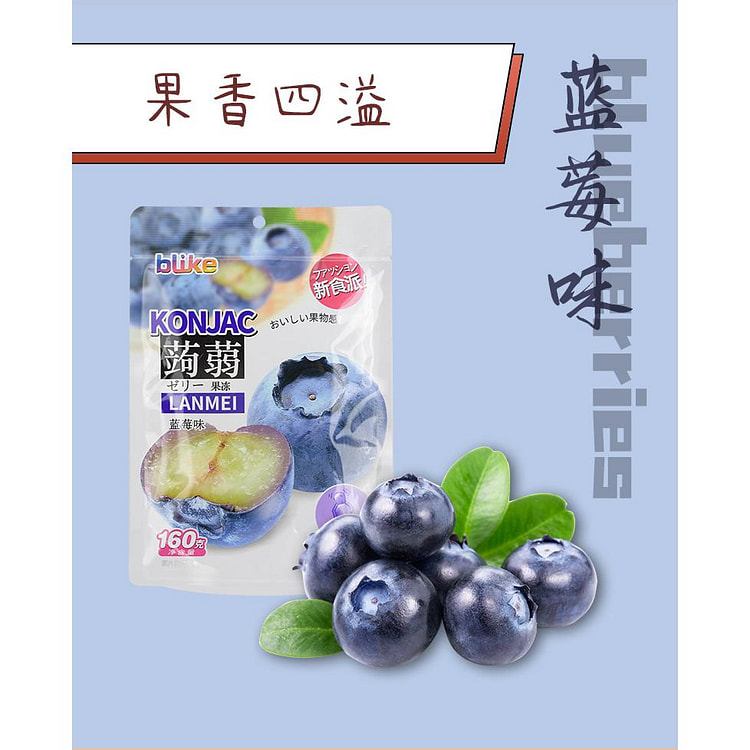 $6.99Blike Konjac Jelly Blueberry FlavorShips from Kohort Store
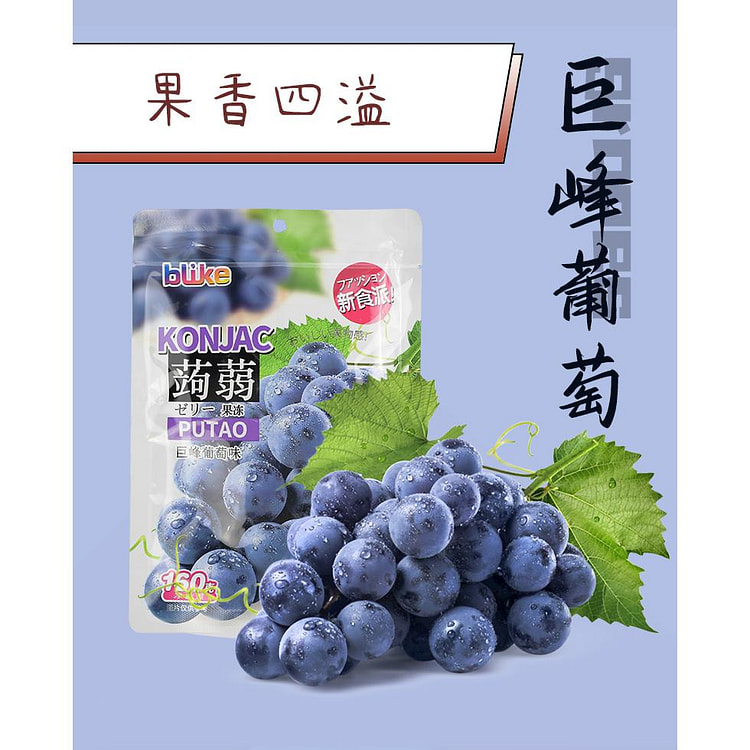 $6.99Blike Konjac Jelly Giant Grape FlavorShips from Kohort Store
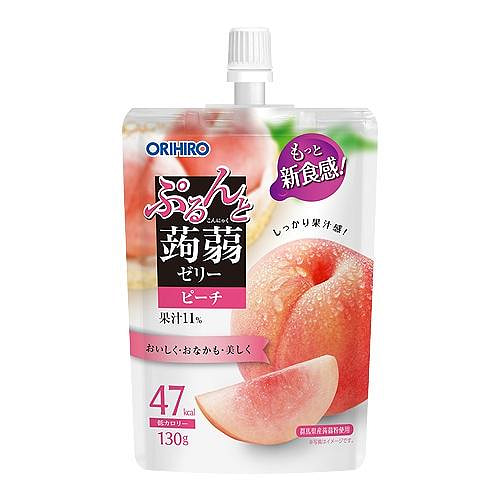 $2.79ORIHIRO Konjac Jelly Peach 130g 1 eachShips from EITO JAPAN
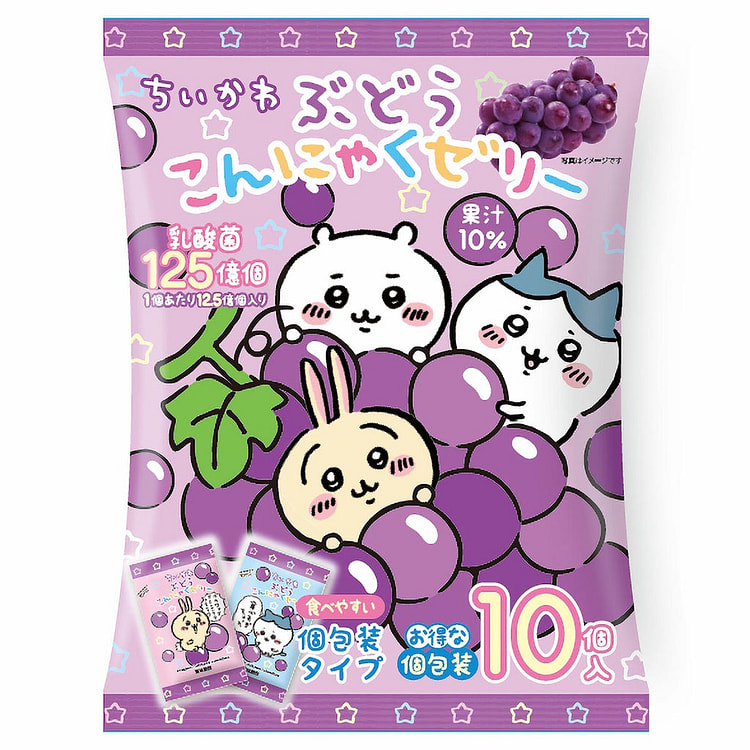 $6.19Yokoo CHIIKAWA Konjac Jelly Grape FlavorShips from Peach Convenience Store
 $28.00oliveyoung 0kcal plum flavor konjac jellyShips from Only Joeun
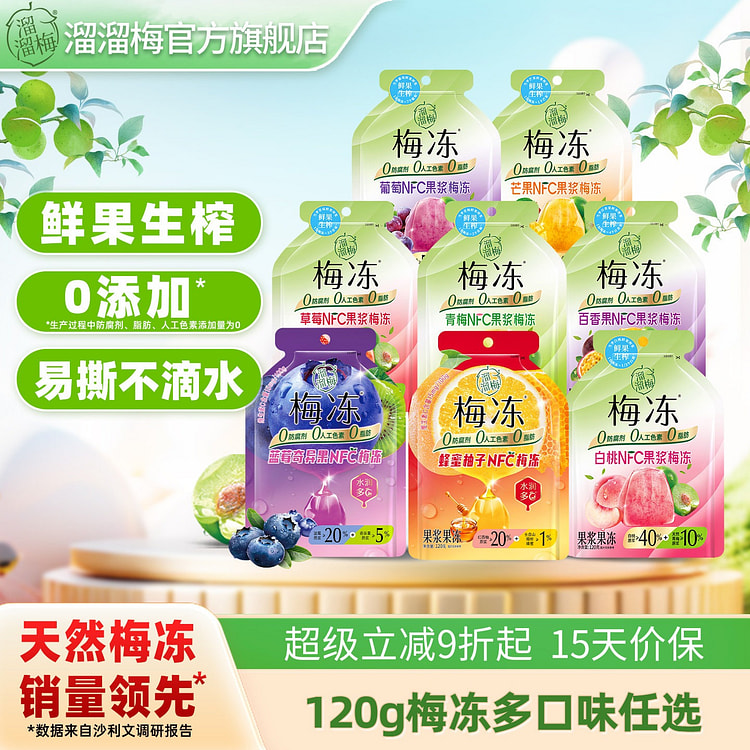 $11.44 - $14.31Liuliumei Plum Flavored Konjac Jelly 120 gShips from Huawang China Shopping
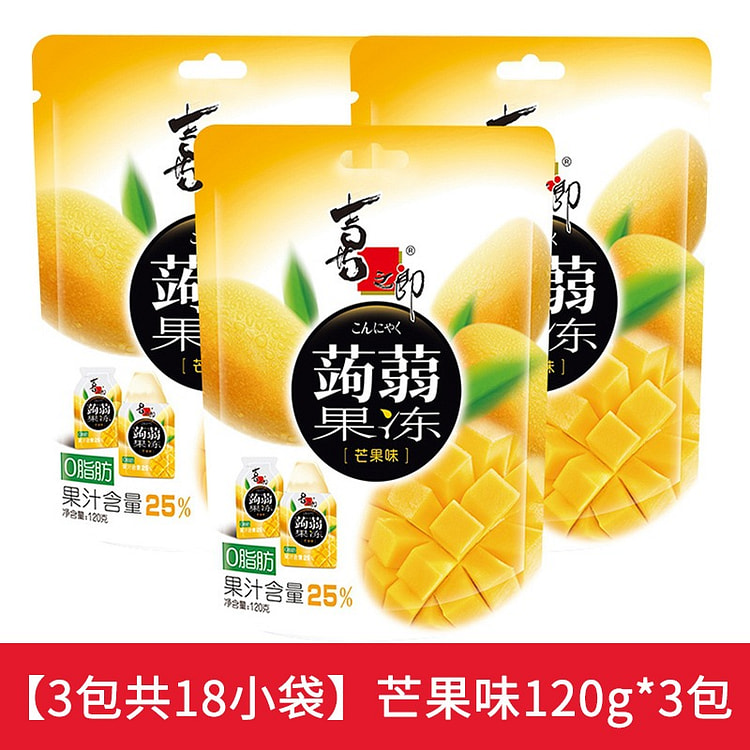 $17.39 - $18.503 packets Kijiro Konjac Jelly mango flavorShips from Delicious Street
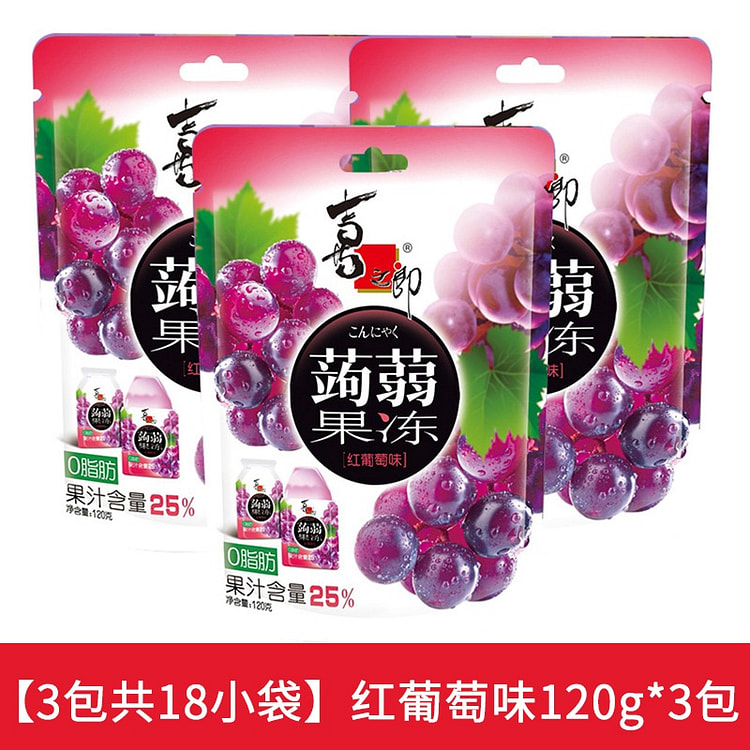 $17.39 - $18.503 packets Kijiro Konjac Jelly grape flavorShips from Delicious Street
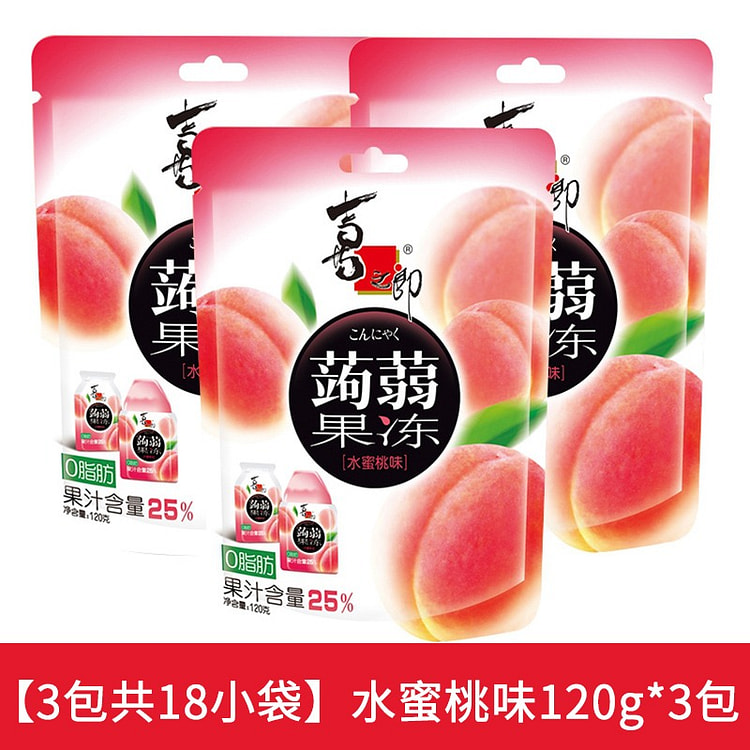 $17.39 - $18.503 packets Kijiro Konjac Jelly peach flavorShips from Delicious Street
- $11.44 - $14.31Liuliumei Grape Flavored Konjac Jelly 120 gShips from Huawang China Shopping
- $11.44 - $14.31Liuliumei Mango Flavored Konjac Jelly 120 gShips from Huawang China Shopping
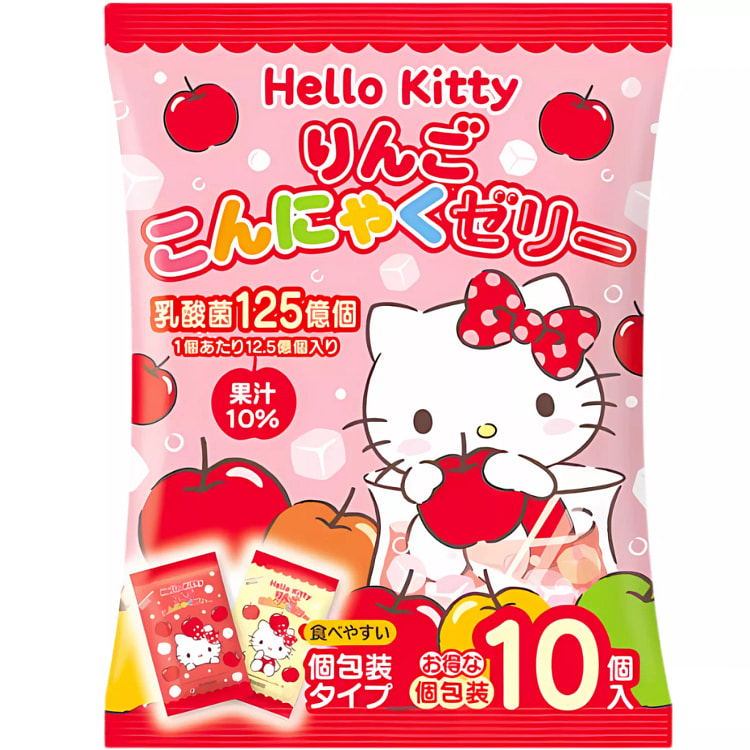 $5.99Yokoo Hello Kitty Konjac Jelly Apple FlavorShips from Peach Convenience Store
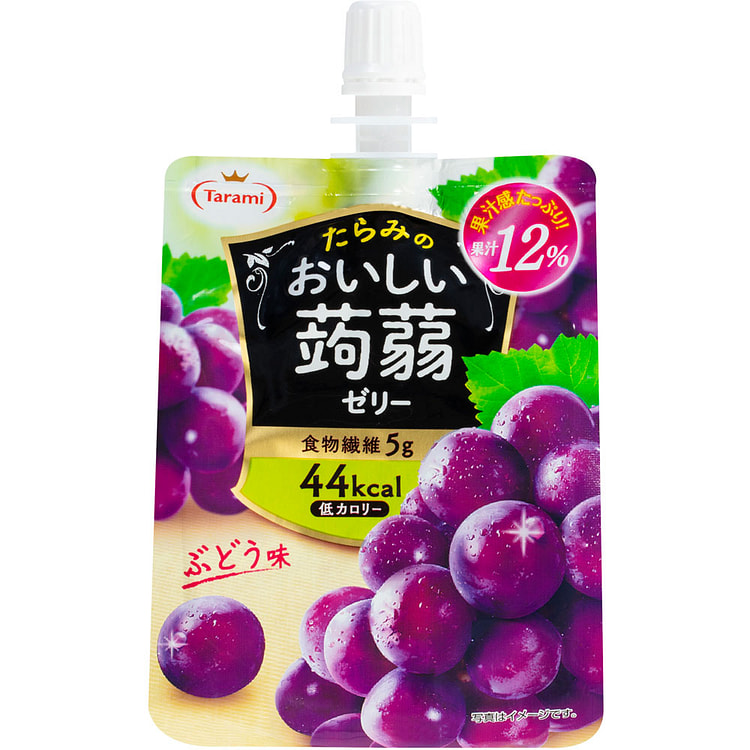 $3.67 - $4.59Tarami Konjac Jelly Grape Flavor 150g 1 eachShips from Shinsaibashi Japan
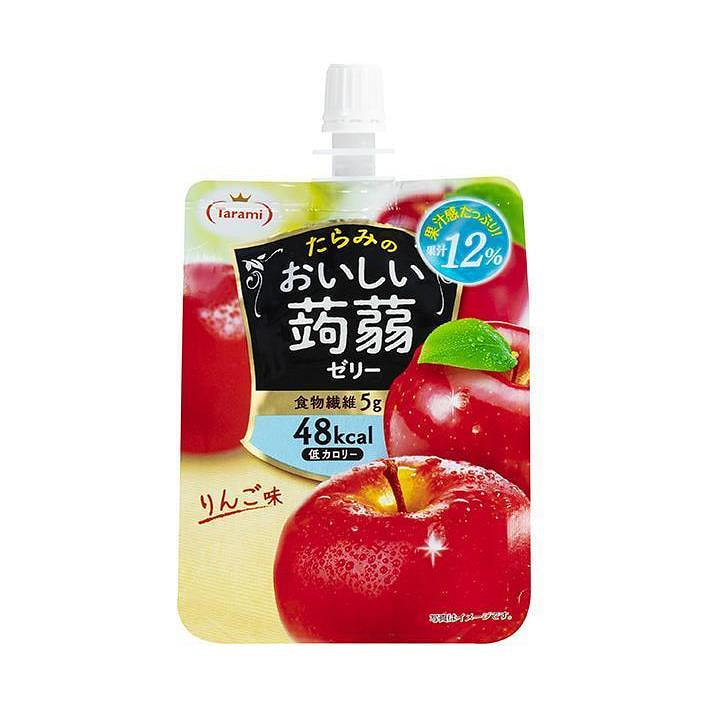 $3.67 - $4.59Tarami Konjac Jelly Apple Flavor 150g 1 eachShips from Shinsaibashi Japan
 $2.29ORIHIRO Konjac Jelly Grape Flavor Snacks 130gShips from EITO JAPAN
- $11.44 - $14.31Liuliumei White Peach Flavor Konjac Jelly 120 gShips from Huawang China Shopping
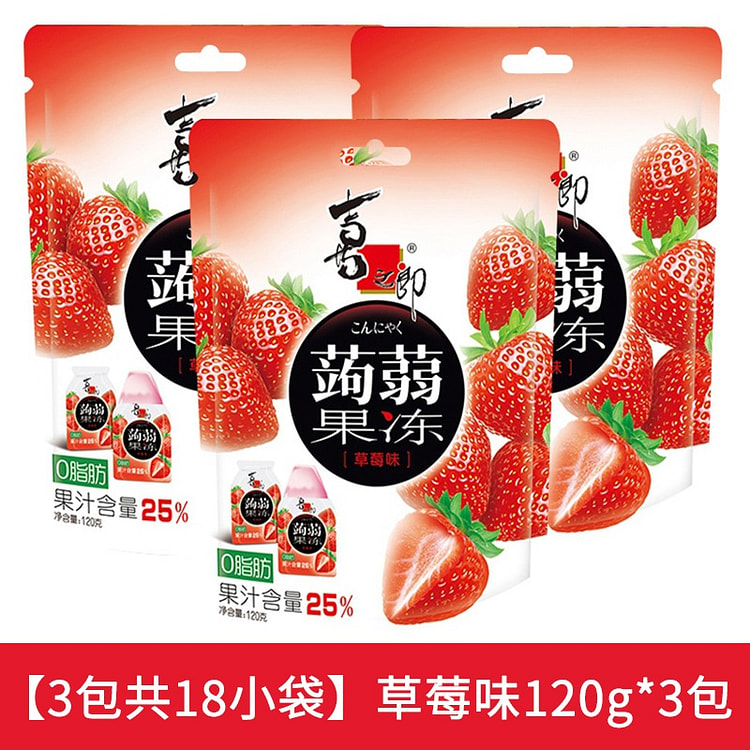 $17.39 - $18.503 packets Kijiro Konjac Jelly strawberry flavorShips from Delicious Street
- $11.44 - $14.31Liuliumei Strawberry Flavored Konjac Jelly 120 gShips from Huawang China Shopping
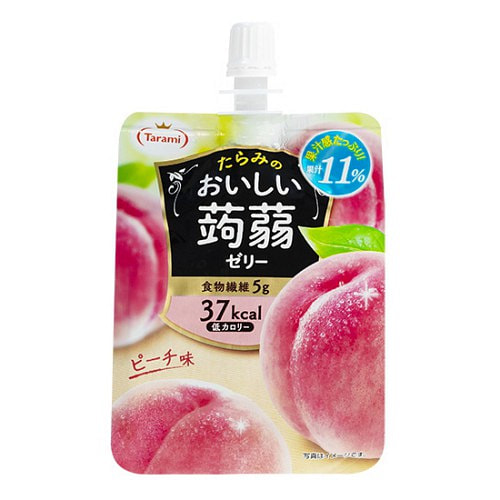 $3.67 - $4.59Tarami Konjac Jelly White Peach Flavor 150g 1 eachShips from Shinsaibashi Japan
Looking for an Asian online supermarket?
Shop products from Chinese, Japanese, Korean, Vietnamese, Thai, Filipino and Indian grocery stores with delivery across major U.S. cities, including fresh produce, frozen meats and seafood, no extra fees, and EBT/SNAP accepted in most cities for eligible products.















 Customer since 2018
 Phoenix, AZCustomer since 2020Connecticut, CTCustomer since 2023Washington DCCustomer since 2020Los Angeles, CA
Frequently asked questions
What is konjac fruit?
Konjac fruit is a plant native to Asia that is known for its gelatinous root which can be ground into a flour and used as a vegan substitute in foods. It is also called a devil’s tongue plant.
How is konjac fruit used in cooking?
Konjac flour or gum is used as a vegan substitute in many dishes and recipes. It can also be used to make a type of noodles known as Shirataki noodles.
Are there any health benefits related to konjac fruit?
Yes, it is high in fiber and low in calories, making it a healthy choice for those on a diet. It has also been linked to other health benefits such as improving blood sugar control and reducing cholesterol.
Is konjac fruit the same as konjac root?
While they come from the same plant, the fruit is different from the root. In culinary use, konjac usually refers to the processed root.
What are the potential side effects of consuming konjac fruit?
Some people might experience digestive upset, including diarrhea or constipation, and bloating after consuming konjac.
Is konjac fruit safe for everyone?
For most people, konjac is safe when consumed in food amounts. But it might not be safe for everyone. It's always best to talk to your doctor before adding high amounts to your diet, especially if you have any medical conditions.
How to cook with konjac flour?
Konjac flour can be used in a variety of recipes, including soups, sauces, and baked goods. It's often used as a thickener or gelatin substitute.
How to prepare konjac fruit for eating?
Konjac fruit is typically not consumed raw. It must be processed and cooked before it's consumed, usually in the form of konjac flour or jelly.
Is konjac fruit edible?
Yes, however konjac root is often consumed as a flour or jelly due to its starchy content, rather than as a fruit.
What does konjac fruit taste like?
Konjac itself has virtually no taste but it takes on the flavor of whatever it's cooked with.
Where does konjac fruit grow?
Konjac is typically grown in warm, tropical parts of Asia.
Is konjac fruit gluten free?
Yes, konjac is naturally gluten free.
How to store konjac fruit?
Konjac fruit and its products, like konjac flour or noodles, should be stored in a cool, dry place.
Is konjac fruit suitable for vegetarians and vegans?
Yes, konjac fruit is a plant-based ingredient and is suitable for vegetarians and vegans.
Can I grow konjac fruit at home?
Yes, you can, but it requires specific conditions like warm and humid climate that are not easily maintainable indoors.
Where can I buy konjac fruit?
You can buy it at Weee! Asian Market, www.sayweee.com.

Asian Groceries
Get the App


Trending Topics
- Green curry paste
- Massaman curry paste
- Basmati rice
- Ghee
- Rice vinegar
- Miso paste
- Paneer
- Jackfruit
- Sesame oil
- Kimchi
- Bok choy
- Propitious Mango Ice Cream Viral Tiktok
- KEWPIE Japanese Egg Yolks Mayonnaise
- Fish sauce
- Garam masala
- Soy sauce
- Baby bok choy
- Shaoxing wine
- Nori seaweed
- Oyster sauce
- Gochujang
- Mirin
- Yellow curry paste
- Curry leaves
- Matcha powder
- Red curry paste
- Jasmine rice
- Dark soy sauce
- Tamarind paste
- Hoisin sauce


© 2015 - 2026 Weee!, Inc.