


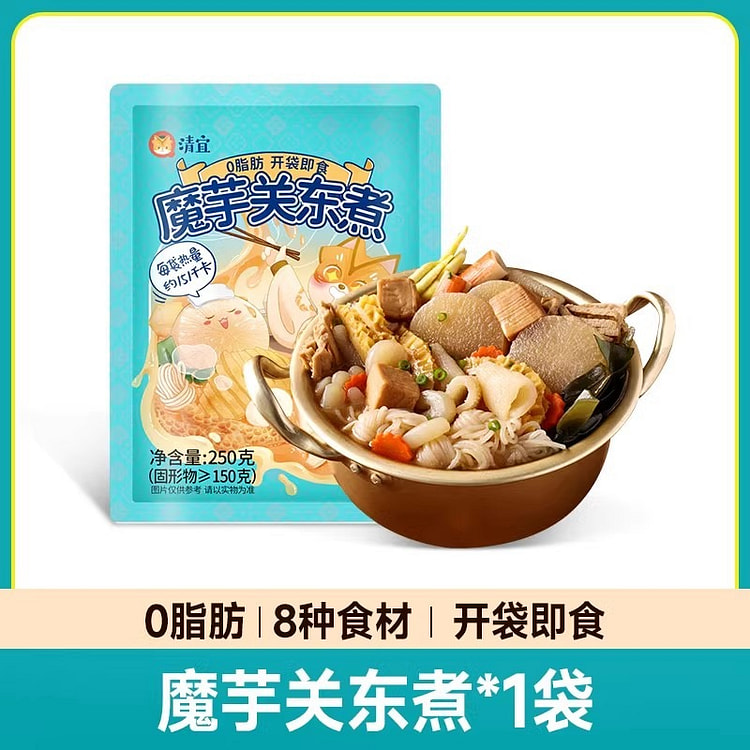
![Pure konjac Gum konjac flour for cooking&baking [Glucomannan Powder] 7.05oz](https://img06.weeecdn.com/item/image/131/749/1B08BD7D20B208E7.jpeg!c750x0.jpeg)
Looking for an Asian online supermarket?
Shop products from Chinese, Japanese, Korean, Vietnamese, Thai, Filipino and Indian grocery stores with delivery across major U.S. cities, including fresh produce, frozen meats and seafood, no extra fees, and EBT/SNAP accepted in most cities for eligible products.














 Customer since 2018
 Phoenix, AZCustomer since 2020Connecticut, CTCustomer since 2023Washington DCCustomer since 2020Los Angeles, CA
Frequently asked questions
What is konjac?
Konjac is a plant native to Asia known for its starchy corm, a tuber-like part of the stem that grows underground. It's used as a dietary supplement and a cooking ingredient, particularly in Asian cuisines.
What dishes can I use konjac in?
Konjac is a versatile ingredient and can be used in many dishes such as noodles, jellies, and vegan seafood. It's also the main ingredient in shirataki noodles.
Is konjac gluten-free?
Yes, konjac is naturally gluten-free making it a popular choice for those following a gluten-free diet.
Is konjac suitable for vegans?
Yes, konjac is a plant-based ingredient and it's suitable for vegans.
Can I eat konjac raw?
No, konjac should be cooked before consumption. Raw konjac contains toxins that are eliminated during the cooking process.
Can diabetics eat konjac?
Yes, due to its high fiber content, konjac can help to regulate blood sugar levels making it a good choice for diabetics.
Is konjac keto-friendly?
Yes, konjac is low in carbs and can be incorporated into a keto diet.
Are there any allergy warnings with konjac?
While konjac allergies are not common, they can occur. People with an allergy to konjac should avoid it.
What's the nutritional value of Konjac?
Konjac is low in calories and high in fiber. It also contains small amounts of vitamins and minerals such as magnesium, selenium, and copper.
What is the taste of konjac?
Konjac itself is tasteless, it mainly absorbs the flavors of the ingredients it's cooked with.
Does konjac have any side effects?
Some people may experience digestive discomfort such as bloating and diarrhea after consuming konjac. It's recommend to start with small amounts and increase gradually.
How should konjac be stored?
Uncooked konjac should be stored in a cool dry place. Once opened or cooked, konjac should be refrigerated and consumed within a few days.
Does cooking konjac require any special preparation?
Before cooking, konjac items like shirataki noodles should be rinsed under cold water. Some people prefer to lightly boil or pan-fry them to reduce their natural odor.
Can pregnant women eat konjac?
Pregnant or breastfeeding women should consult with their healthcare provider before consuming konjac due to its high fiber content.
Is konjac halal?
Yes, there's no animal product in konjac hence it is Halal.
Where can I buy konjac?
You can buy it at Weee! Asian Market, www.sayweee.com.

Asian Groceries
Get the App


Trending Topics
- Green curry paste
- Massaman curry paste
- Basmati rice
- Ghee
- Rice vinegar
- Miso paste
- Paneer
- Jackfruit
- Sesame oil
- Kimchi
- Bok choy
- Propitious Mango Ice Cream Viral Tiktok
- KEWPIE Japanese Egg Yolks Mayonnaise
- Fish sauce
- Garam masala
- Soy sauce
- Baby bok choy
- Shaoxing wine
- Nori seaweed
- Oyster sauce
- Gochujang
- Mirin
- Yellow curry paste
- Curry leaves
- Matcha powder
- Red curry paste
- Jasmine rice
- Dark soy sauce
- Tamarind paste
- Hoisin sauce


© 2015 - 2026 Weee!, Inc.