


Related products for japanese rusk
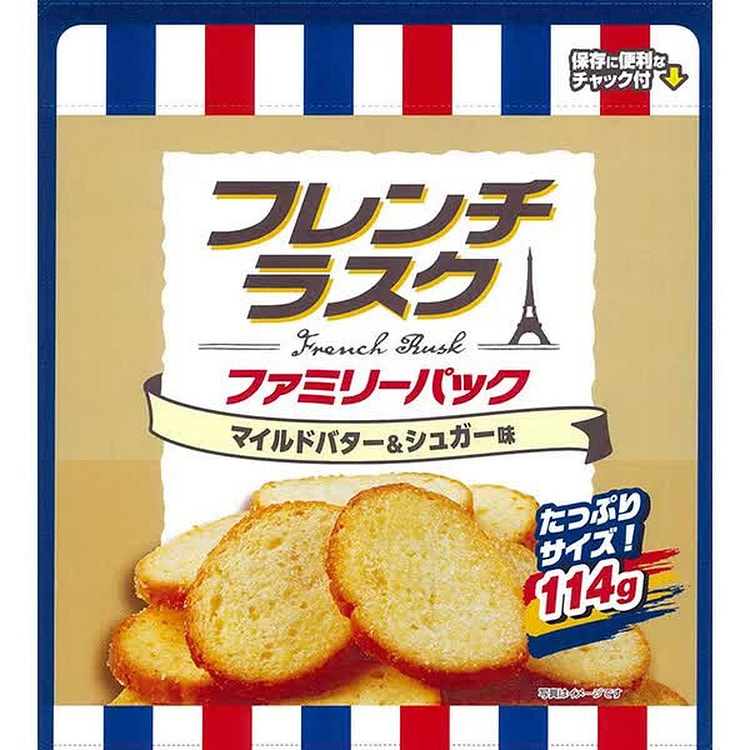 $19.99Oyatsu Company French Rusk Family Pack 114gShips from Mochi Mochi Store
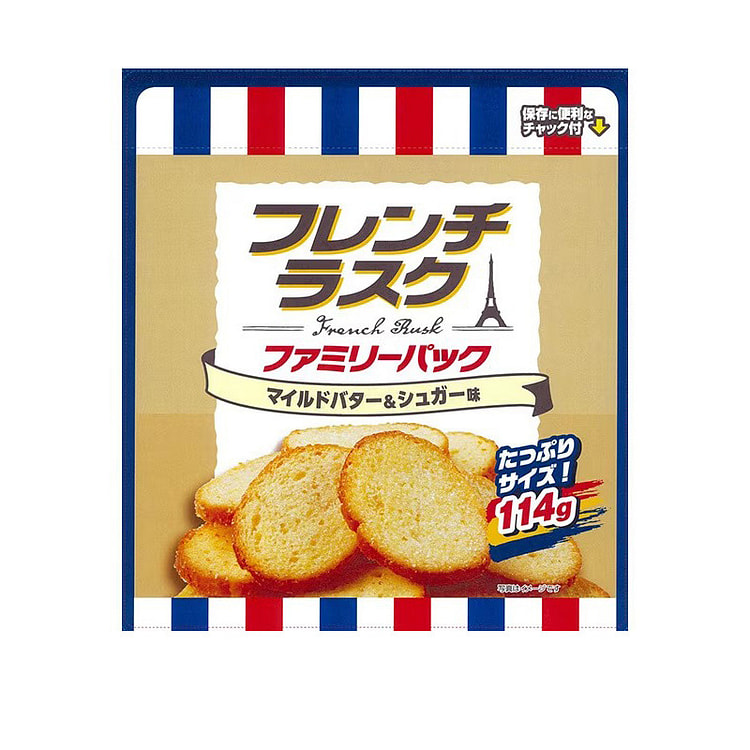 $4.29Oyatsu Company French Rusk Family Pack 114gShips from Tokyo mall
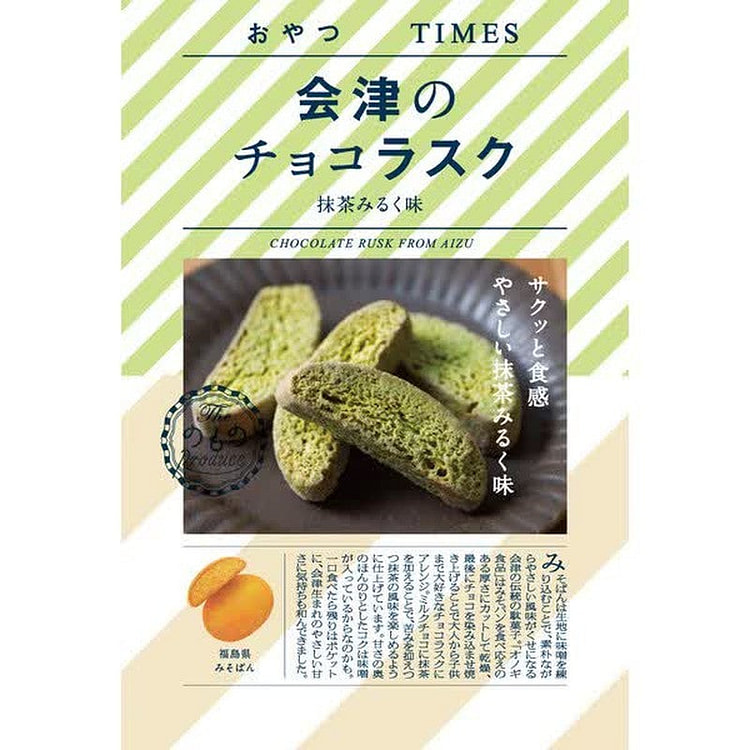 $10.07 - $11.19Oyatsu Times Aizu Matcha Milk Chocolate Rusk 30g 1 eachShips from Food Come
 $29.99【Japan DirectMail】OHZAN Cube Rusk Gift Box 5 pcsShips from Tokyo mall
 $10.99【Japan DirectMail】OHZAN Rusk Stick Gift Box Pink 3pcsShips from Tokyo mall
 $19.99【Japan DirectMail】OHZAN Rusk Stick Gift Box Green 3pcsShips from Tokyo mall
 $19.99【Japan DirectMail】OHZAN Rusk Stick Gift Box Yellow 3pcsShips from Tokyo mall
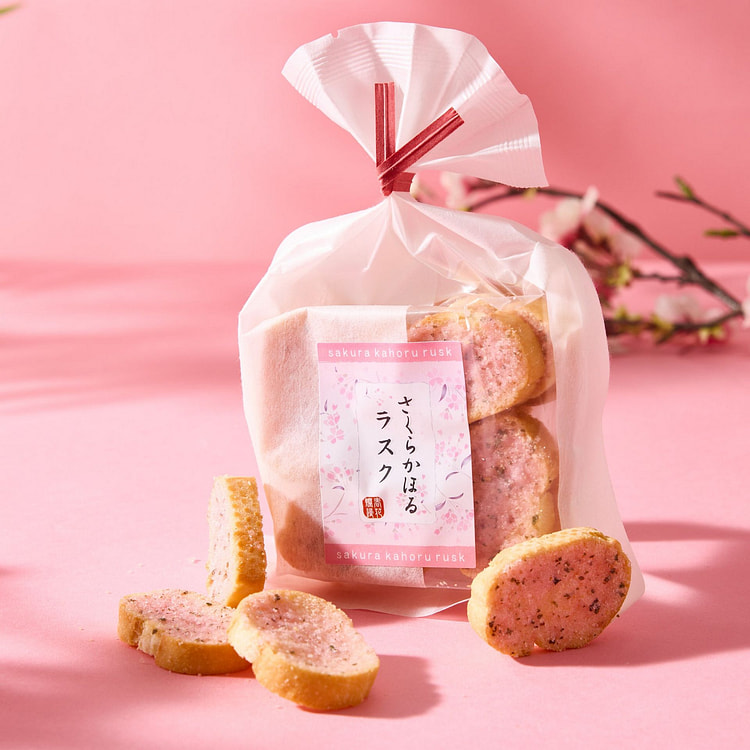 $4.79Sakura Kahoru RuskShips from Ichigo
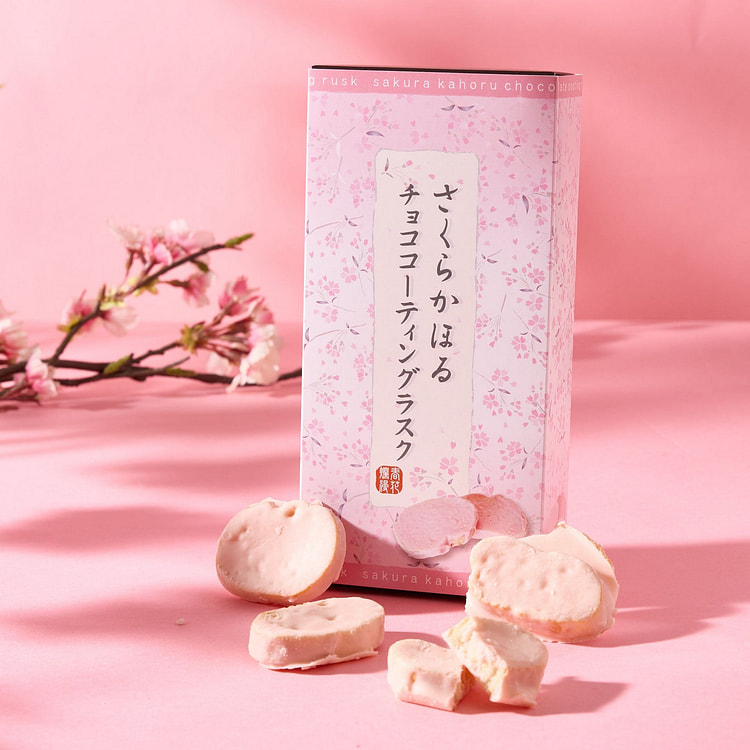 $6.38Sakura Kahoru Chocolate RuskShips from Ichigo
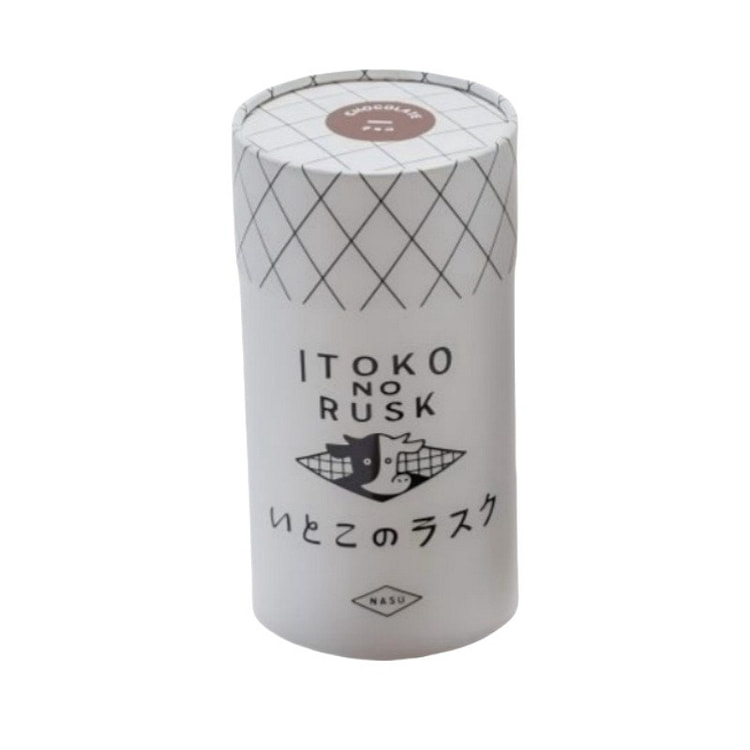 $17.90TOKYO Itoko Chocolate Flavour RusksShips from Tao Japan
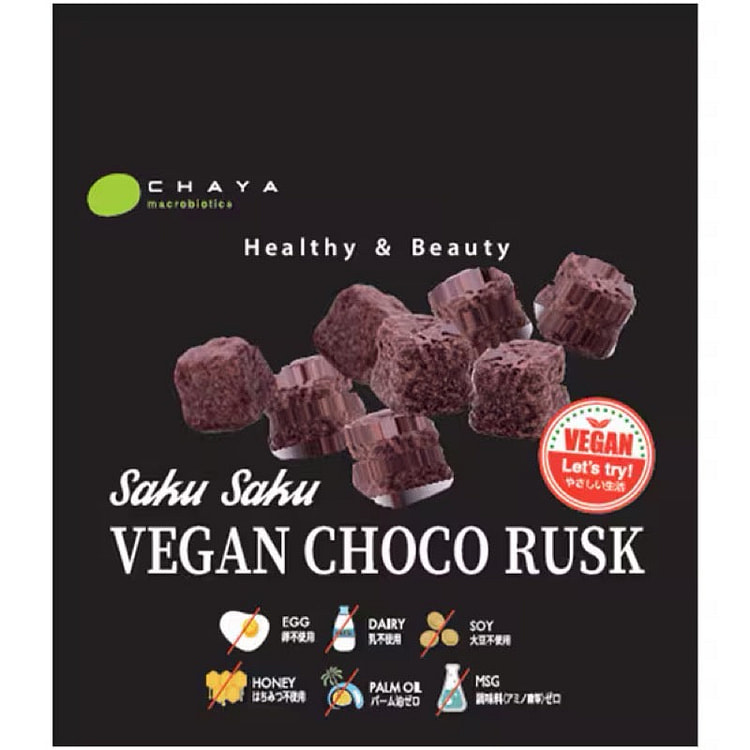 $22.49 - $24.99CHAYA Macrobiotic Vegan Chocolate Rusk 30g 1 eachShips from Food Come
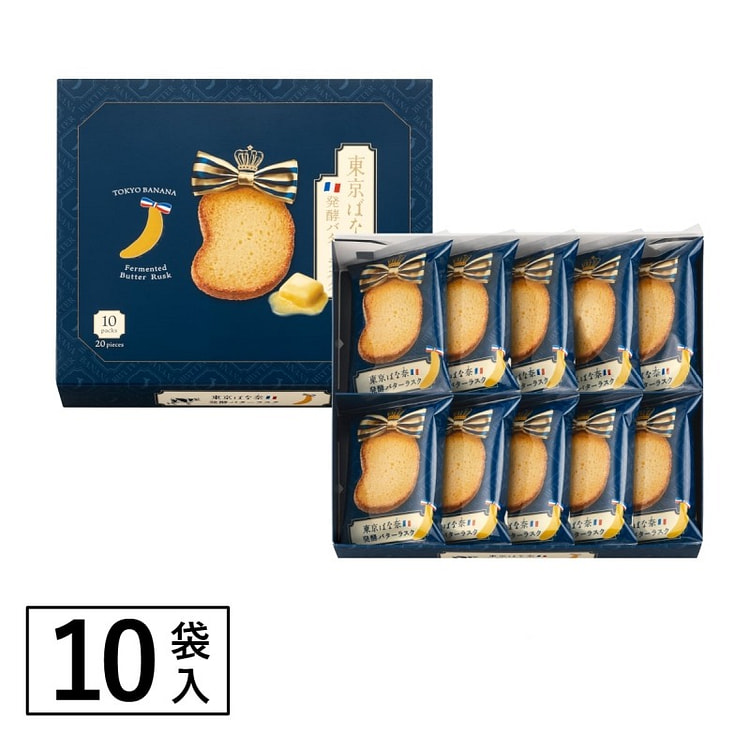 $20.29Tokyo Banana Fermented Butter Rusks 20pcsShips from MiauMall
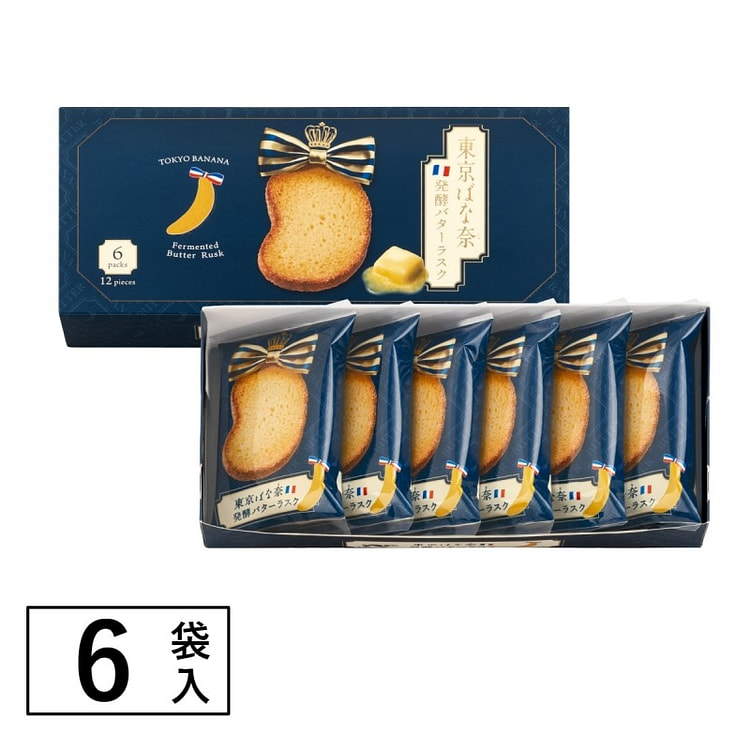 $12.87Tokyo Banana Fermented Butter Rusks 12pcsShips from MiauMall
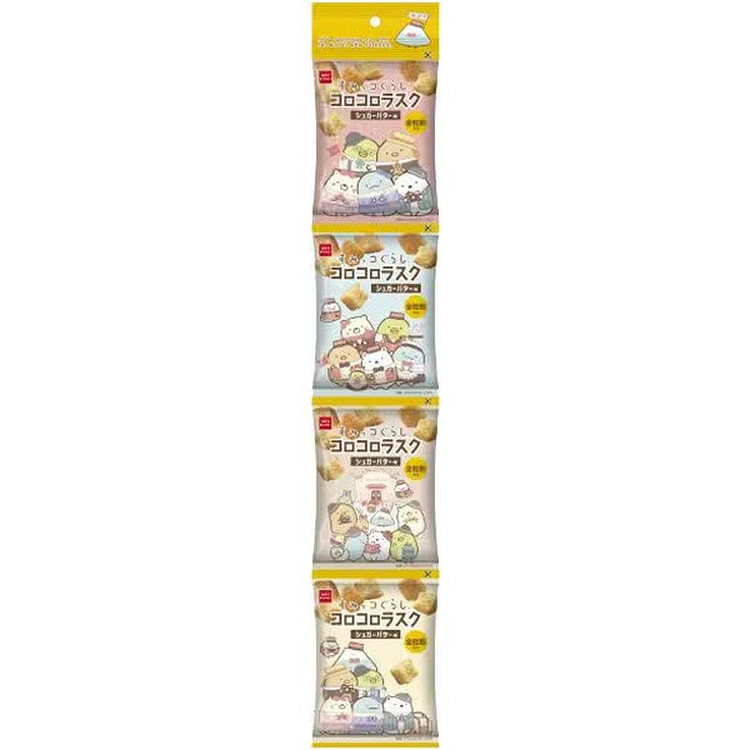 $11.99Sumikko Rusk Sugar Butter 4Pack 36gShips from Mochi Mochi Store
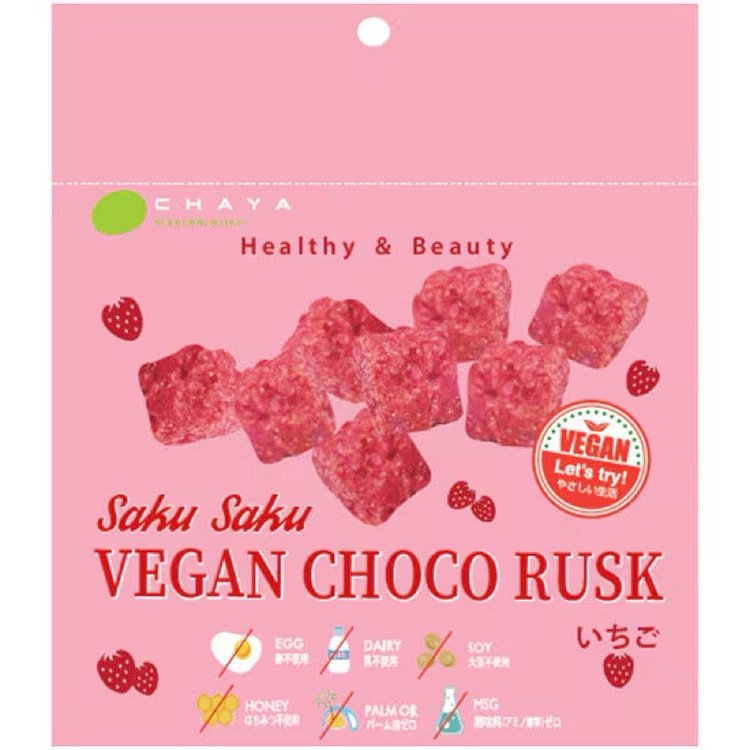 $22.49 - $24.99CHAYA Vegan Strawberry Chocolate Rusk 25g 1 eachShips from Food Come
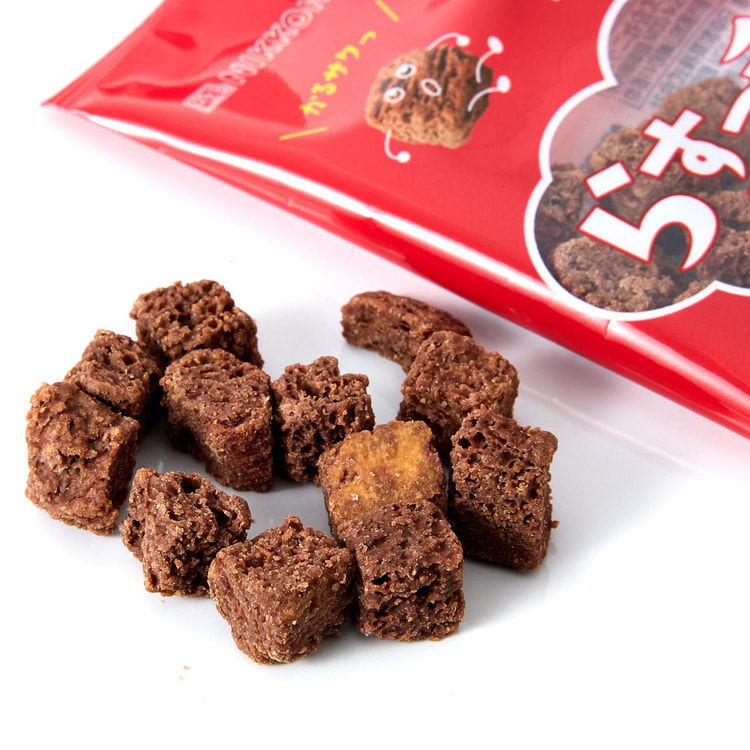 $26.60Mini Chocolate Rusk Snacks (20 pieces)Ships from Ichigo
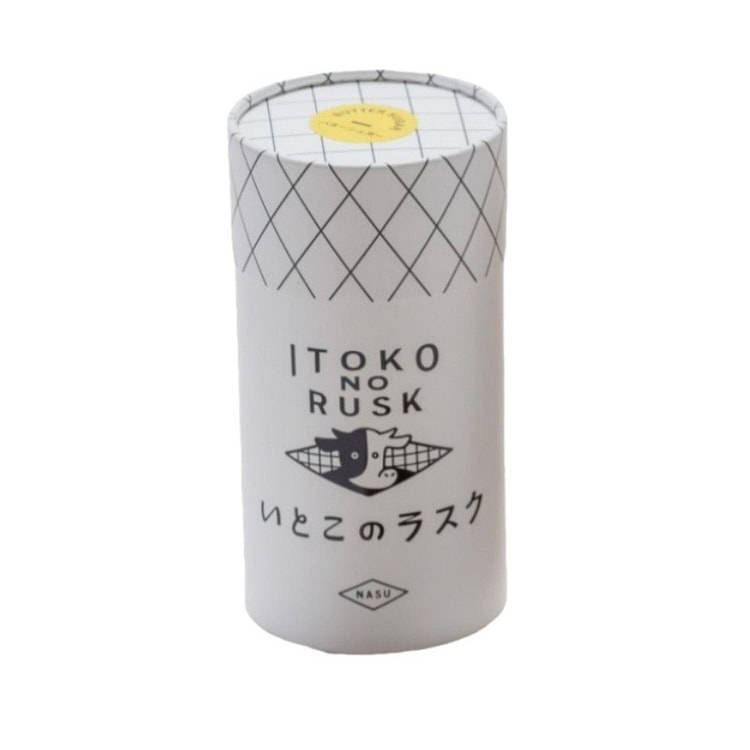 $17.90tokyo Itoko Sugar Butter Toasted RusksShips from Tao Japan
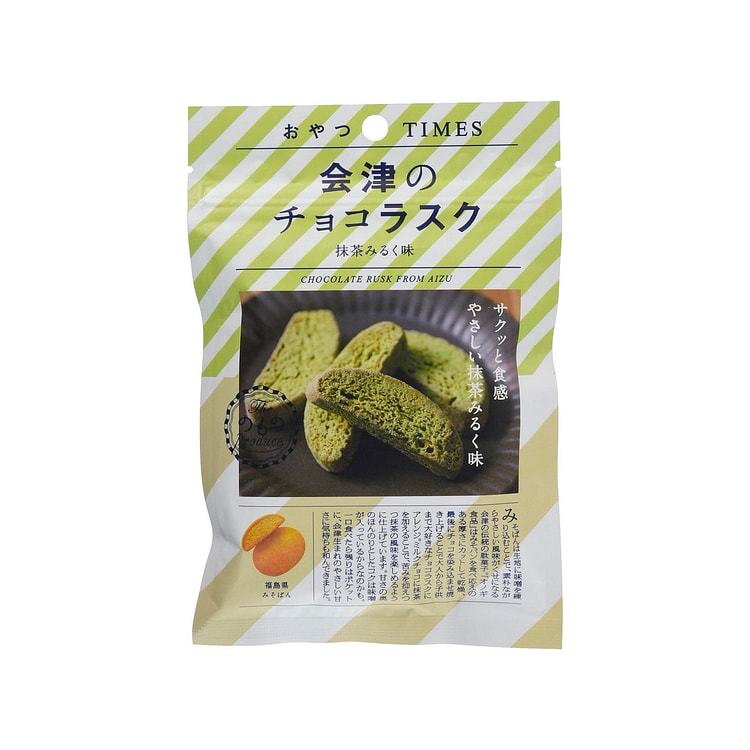 $8.85Rusk Matcha Chocolate Milk Crisp Sugar ONOGI 30g 1 eachShips from Studio Tokyo
 $18.80LA TERRE Tokyo Limited Haneda Airport Limited Baked Cheese Cake Rusk 8 pcsShips from WOO JAPAN
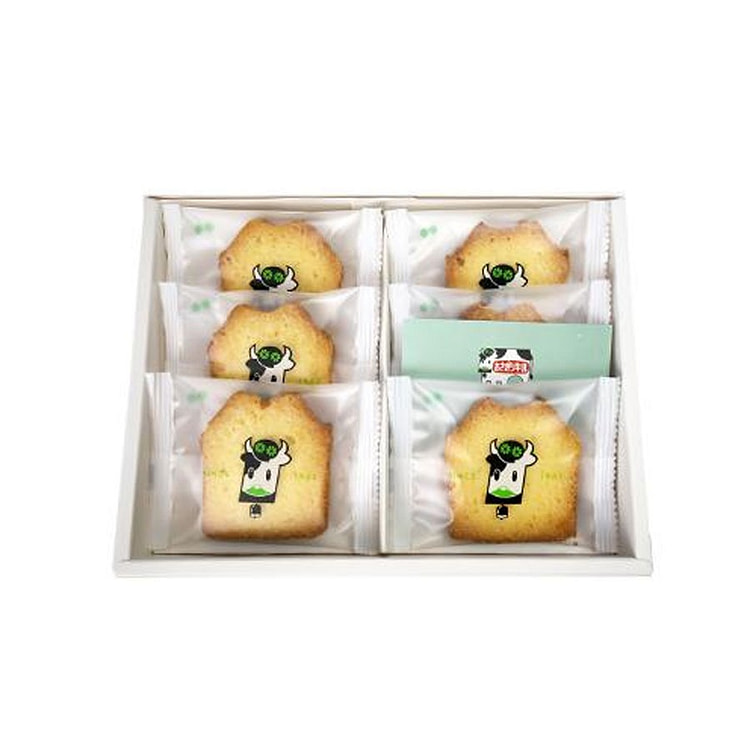 $19.99Asagiri Dairy Milk Rusk Handmade Baked SweetsShips from Sakura Charm
 $18.00TOKYO BANANA Fermentated Butter Gateau Rusk 2x6 packs 12 pcsShips from WOO JAPAN
 $18.99Tokyo Banana Cookie Sand, Fermented Butter Rusk Flavor, 6 bags 12 pcsShips from Aaron House
 $15.99 - $18.80LA TERRE Tokyo Limited Baked Gateau Chocolate Rusk 8 pcsShips from WOO JAPAN
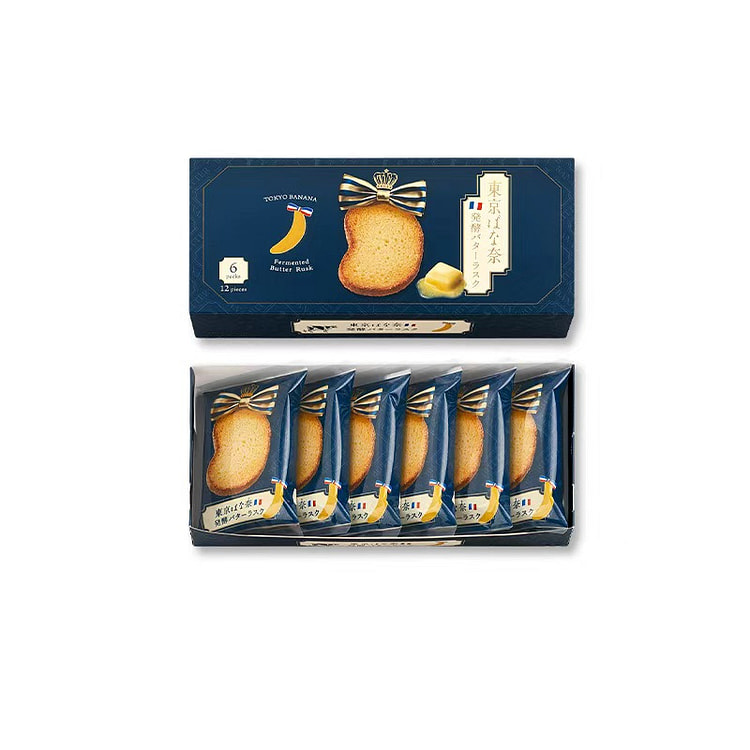 $16.99Tokyo Banana Fermented Butter Rusk (6 Packs / 12 6 eachShips from Tokyo mall
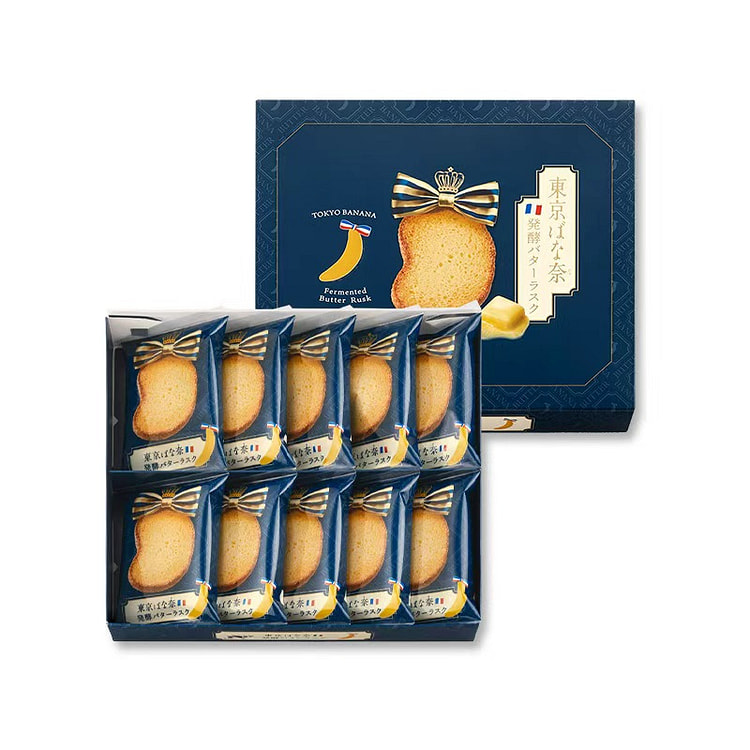 $25.99Tokyo Banana Fermented Butter Rusk (10 Packs / 20 10 eachShips from Tokyo mall
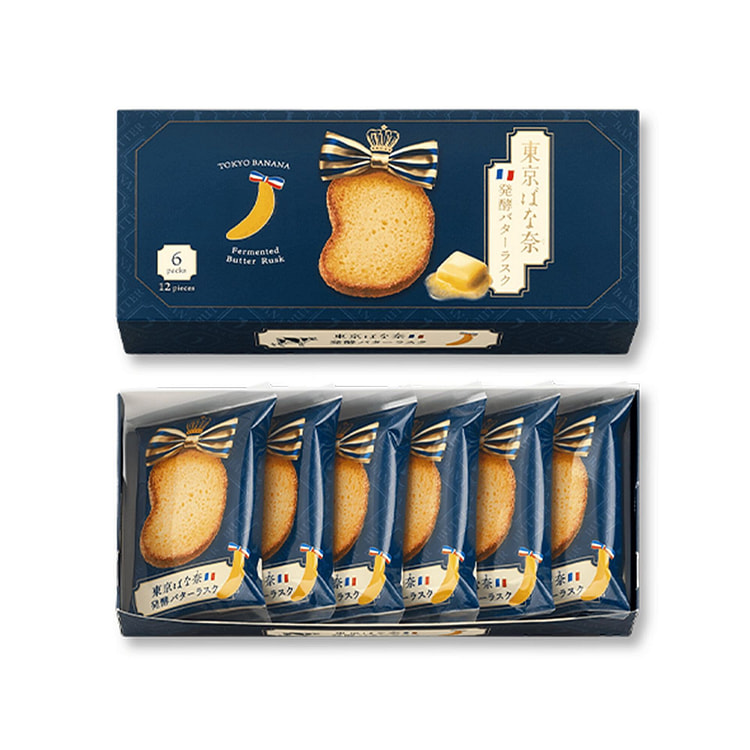 $18.39TOKYO BANANA Fermentated Butter Gateau Rusk 12pc 1 eachShips from Nekoo Mall
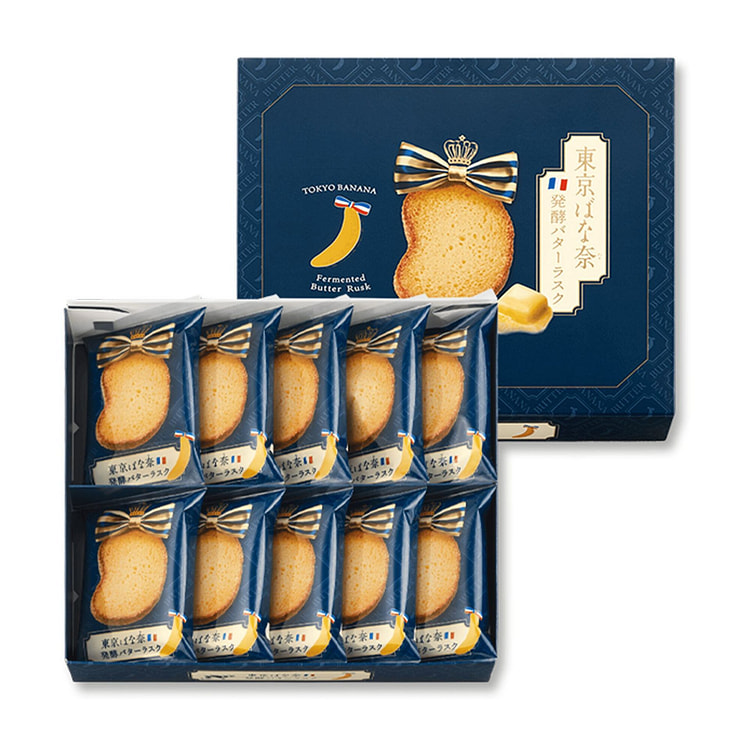 $27.59TOKYO BANANA Fermentated Butter Gateau Rusk 20pc 1 eachShips from Nekoo Mall
 $32.99Tokyo Banana Cookie Sand, Fermented Butter Rusk Flavor, 10 bags 20 pcsShips from Aaron House
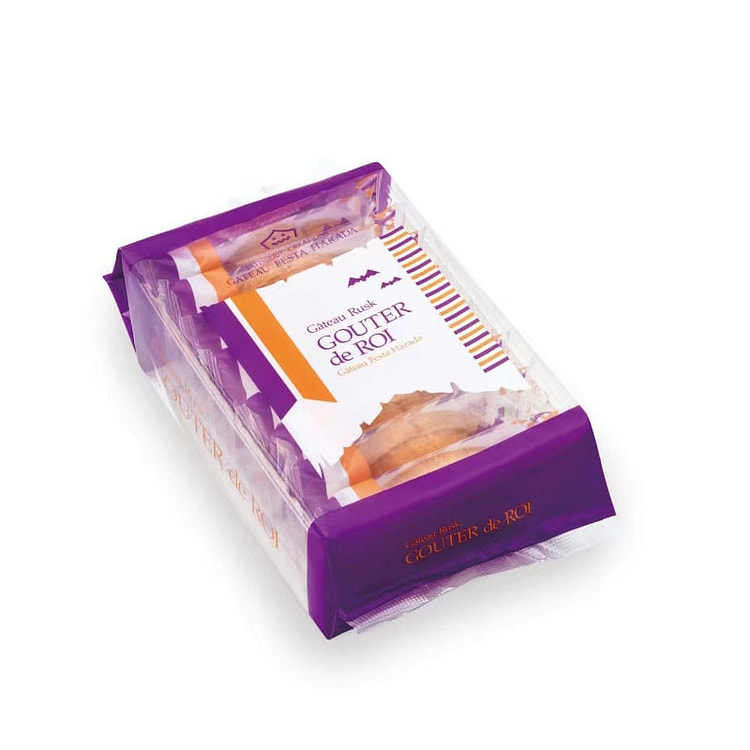 $14.88Gouter de Roi Halloween Edition 8p 8 eachShips from Tokyo mall
Looking for an Asian online supermarket?
Shop products from Chinese, Japanese, Korean, Vietnamese, Thai, Filipino and Indian grocery stores with delivery across major U.S. cities, including fresh produce, frozen meats and seafood, no extra fees, and EBT/SNAP accepted in most cities for eligible products.















 Customer since 2018
 Phoenix, AZCustomer since 2020Connecticut, CTCustomer since 2023Washington DCCustomer since 2020Los Angeles, CA
Frequently asked questions
What is a Japanese rusk?
A Japanese rusk is a twice-baked baguette slice widely enjoyed as a snack in Japan. It is often coated with sugar, chocolate, or other flavors for extra taste.
What can I pair with a Japanese rusk?
Japanese rusks can be paired with tea, coffee, or just enjoyed on its own.
How is a Japanese rusk prepared?
It is prepared by thinly slicing a baguette, baking it until it dries out and hardens, then coating it in sugar or other flavors.
Are there any popular brands of Japanese rusk?
Yes, one of the most popular brands is 'Yokumoku'.
Does Japanese rusk have any nutritional benefits?
As a bakery product, it provides carbohydrates and small amounts of protein. However, it is also high in sugar.
How should I store a Japanese rusk?
It should be stored in a cool, dry place in an airtight container to keep its freshness and crunchiness.
Where can I buy Japanese rusk?
You can buy it at Weee! Asian Market, www.sayweee.com.
Can Japanese rusk be frozen?
Yes, you can freeze Japanese rusk to extend its shelf life. However, it might lose some of its crunchiness upon defrosting.
How is it different from a regular rusk?
Unlike regular rusks which are made from stale bread, Japanese rusks are derived from fresh French baguette slices and are often sugar-glazed.
Is a Japanese rusk sweet or savory?
They are generally sweet, often coated with sugar or chocolate, but there are also savory versions available with cheese or spices.
Is it vegetarian-friendly?
Yes, most Japanese rusks are vegetarian as they are primarily made of bread and sugar.
Can I make Japanese rusk at home?
Yes, you can prepare it at home using a baguette and sugar or other coatings of your choice.
Can I use any type of bread to make Japanese rusk?
Traditionally, a French baguette is used but you can experiment with other types of bread.
How long does a Japanese rusk last?
If properly stored, it can last for up to 2 weeks.
Is there a gluten-free version of Japanese rusk?
Yes, some manufacturers make gluten-free versions, but they may be harder to find.
What is the origin of Japanese rusk?
It started off as a way to use day-old baguettes in bakeries, but it has evolved into a popular snack in Japan.

Asian Groceries
Get the App


Trending Topics
- Yellow curry paste
- Baby bok choy
- Tamarind paste
- Basmati rice
- Green curry paste
- Paneer
- Jasmine rice
- Gochujang
- Sesame oil
- Matcha powder
- Bok choy
- Garam masala
- Massaman curry paste
- Oyster sauce
- Mirin
- Jackfruit
- Curry leaves
- Ghee
- Dark soy sauce
- Soy sauce
- Miso paste
- Fish sauce
- Propitious Mango Ice Cream Viral Tiktok
- Shaoxing wine
- Rice vinegar
- Kimchi
- Red curry paste
- Hoisin sauce
- KEWPIE Japanese Egg Yolks Mayonnaise
- Nori seaweed


© 2015 - 2026 Weee!, Inc.